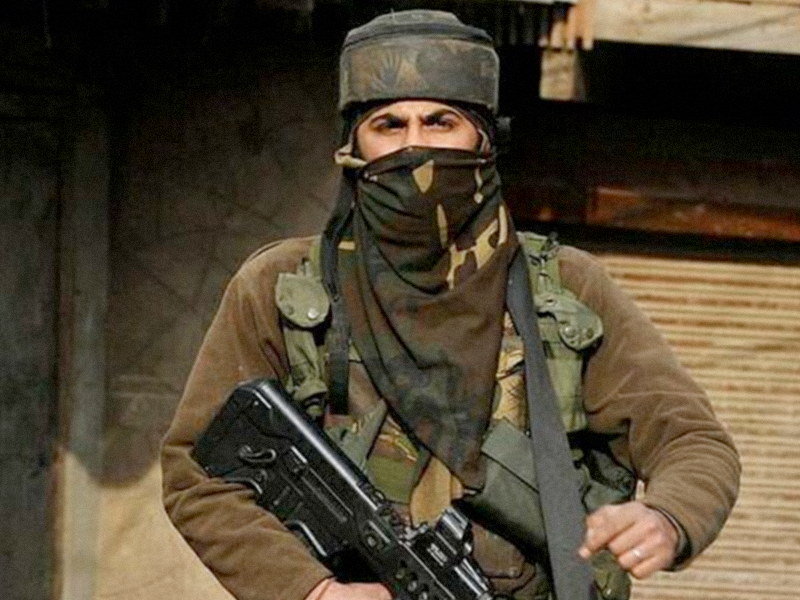

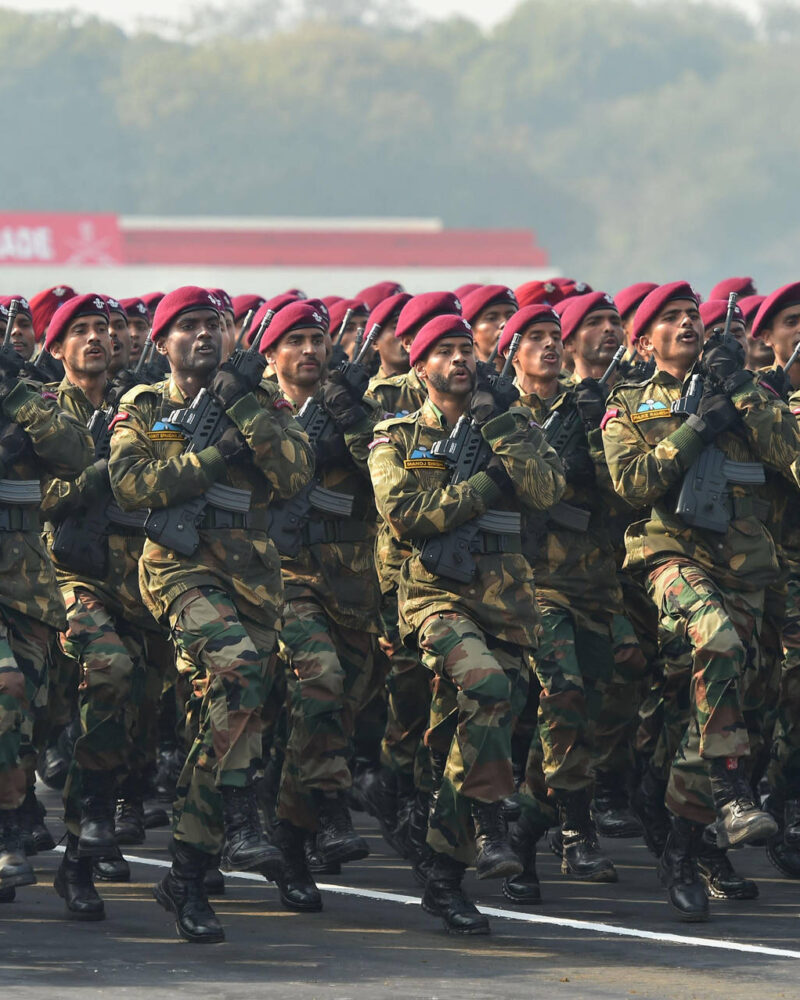
In 1997, I along with some other officers of the Indian Army got an opportunity to serve with the United Nations Mission in Angola. I was deployed in a remote team site with a group of international military and police observers.
The team site was to be entirely managed by all of us without any administrative support. We were to cook for ourselves, fetch water, carry out minor repairs including that of our vehicles, operate our radios and the satellite communication. I found myself at sea as I had little skills to manage most of these chores on my own.
Despite being a quick learner, it took me almost two months to settle down and become a valuable member of the team. This experience made me realise the immense value of possessing skills in my life. Hereafter I became a practitioner and propagator of life skills.
One of the best definitions, I have come across, defines skills as “learned power of doing something competently: a developed aptitude or ability“. 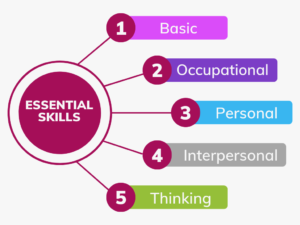 Skill taxonomy can however be very confusing because skills are separated from innate qualities by a thin line and can confuse even the discerning. The internet is full of terms such as life skills, soft skills, technical skills, transferable skills, leadership skills, personal skills, methodical skills and so on. After distilling information from a plethora of sources, I find the following categorisation as most apt:
Basic Skills.
These are the foundational skills required for navigating life’s challenges and cover a wide arena from fixing a leaky faucet, cooking a healthy meal, to having a good understanding of the modern technology. Whether you’re facing an unexpected power outage or simply want to be more self-sufficient, these skills empower you to take control and solve problems. From young adults starting out to seasoned professionals, everyone can benefit from learning basic skills like cooking, minor repairs and digital literacy.
Typically, the basic skills are linked to technological development hence will change fast with times. Digital skills such as using the internet safely and responsibly, use of electronic devices, and social media proficiency which were earlier specialised skills have now become basic skills.
Occupational Skills
Mastering the right occupational skills is like equipping yourself with the perfect toolkit for your career. These specialized abilities, tailored to your specific job or industry, empower you to thrive at different levels of your profession. For a soldier, shooting straight is a critical occupational skill whereas a general has to excel in planning, execution and decision making.
Remember, occupational skills are just one piece of the puzzle. They combined with broader personal and interpersonal skills, become the key to unlocking your full potential.
Personal Skills
These are the skills which empower us to maintain a healthy mind and body, navigate emotional complexities, and build resilience in the face of adversity. These skills, not limited to emotional intelligence, stress management, and time management, encompass a wider spectrum like assertiveness, flexibility, anger management, and the ability to bounce back from setbacks. Amongst these I count resilience, our ability to face setbacks as the single most important quality that we must develop.
Interpersonal Skills.
Another pillar of essential life, the interpersonal skills lie at the very foundation of what makes us human: our ability to connect, collaborate, and thrive in social settings. They encompass a diverse ability that we use to navigate complex interactions, build meaningful relationships, and collaborate effectively with others.
Communication, while undeniably crucial, represents just one piece of this intricate puzzle. Active listening, building empathy, managing conflicts constructively, negotiating, compromising, teamwork and collaboration are some other important facets of interpersonal skills that need to be honed
Strong interpersonal skills have a profound impact on every aspect of our lives as they boost professional success, strengthen personal relationships, contribute to emotional well -being and make us better leaders.
Regrettably, the Indian parents and teachers are not paying adequate attention towards this aspect of a children’s life resulting in a generation which falls short in their inter-personal relations.
The good news however is that interpersonal skills are not fixed traits, but learned behaviours. Through self-awareness, practice, and willingness to learn, anyone can refine their interpersonal toolkit. Whether it’s enrolling in a workshop, joining a social activity, or simply engaging in mindful conversations, taking steps to develop these skills will yield benefits that ripple throughout your life.
Also, we need to remember, interpersonal skills are an ongoing journey, not a destination. Embrace the process of learning and growing, and you’ll be well on your way to building bridges, fostering meaningful connections, and enriching every aspect of your life.
Thinking Skills.
Thinking skills are mental, cognitive and discretionary methods we utilize when solving problems. Thinking skills include theorising, predicting, evaluating, memory recall and thought organisation.
They are something that everyone has, but not everyone knows how to use them effectively. Developing effective thinking skills comes with time. They are what we use when we solve problems, make decisions, organize events or process information.
Thinking skills can be classified into “lower-order thinking” which entails memorising and understanding and does not lead to deeper knowledge and “higher-order thinking” which is required for advanced cognitive processing.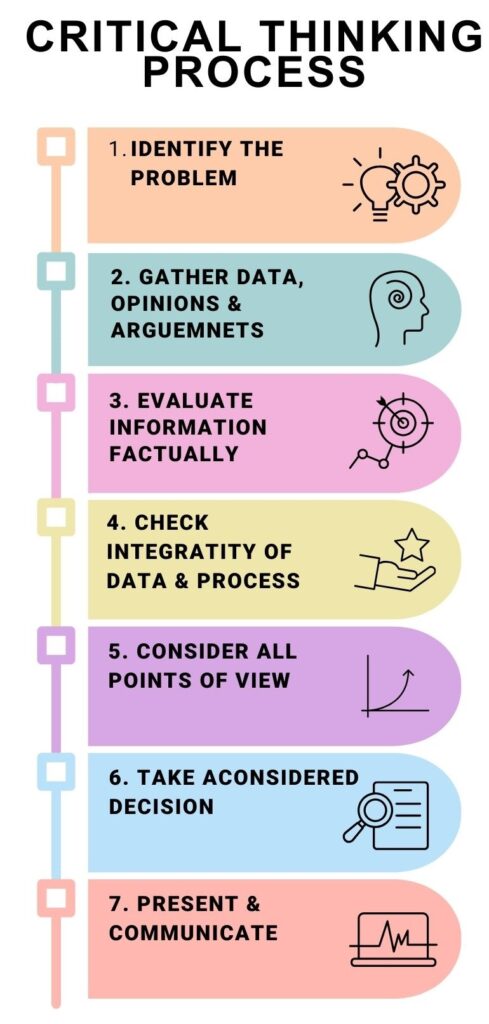
Critical thinking, creativity, lateral thinking, problem solving, out of the box thinking, convergent thinking, divergent thinking are some of the high order thinking skills that must be cultivated by all individuals.In this, I consider critical thinking as the most important skill wherein we question, analyse, interpret, evaluate and make a judgement about what we read, hear, say or write.
Conclusion
Unlocking our full potential requires lifelong learning and the dedication to honing our skills. Whether it’s mastering a new language, becoming proficient in a software program, or strengthening our communication abilities, continuous growth empowers us to navigate both personal and professional challenges. By investing time and effort in skill development, we open doors to fulfilling careers, meaningful relationships, and a life brimming with possibilities.


10 comments
Gajinder has been very articulate and lucid in differentiating the Skill Sets required to Navigate Life through Rough and turbulent times. Having known him intimately in excess of 4 Decades…I say with some Confidence that he a practitioner of what he his preaching.Keep Blogging Bro.
Sir,
Amazingly well written. Hope to follow. Never too late to start.
Very well articulated sir! I particularly liked the aspect of inter personal skills wherein you’ve highlighted on its various elements including active listening. Most of our conversations revolve around getting ourselves heard than listening, especially during debates or arguments. Also, I feel that Indian parents are not only neglecting on developing inter personal skills in children but are also found wanting in development of basic skills as enunciated in your article. Looking forward to more articles from you
It is such an insightful read Sir. It is true that experience is the greatest teacher. Challenges are opportunities to learn. But unfortunately most of us don’t see it from that point of view. Rather than finding our way through the challenge we get in castigation and procrastination. It was truly a great read
Very relevant the and pertinent points which get missed out by everyone. Excellent summing up of the entire life blueprint Sir.
Very nicely penned down. You have categorised it on the requirements basis. Unfortunately, our present education system has not been able to come out of the Lord McAuley policies, in spite of 77 years since our independence. And the result is the huge gap between what we have learnt and what is required on the job. Most of the companies, industries, institutions and organisations are struggling to bridge this gap through various training programs, but so much of resources, money and time are wasted in the bargain. Therefore, it’s very important to hold the bull by it’s horns and develop our skills to excel in our personal, professional, family and spiritual life. Thank you so much for the information and looking forward to such wonderful blogs in future.
A good writeup of your journey to understand the life skills, and their applications in your military career and personal endeavors. It is awesome that you identified some of these through your own personal experience and introspection. Several similar topics are covered as part of regular curriculum in Management and professional training, Life Skills is a very broad knowledge area which requires continuous evolution to keep up with rapidly evolving complexities of our lives/professions. In my opinion, Communication and Interpersonal Skills are two interrelated topics that need more attention in the education system. You already touched Interpersonal skills – which are extremely important in life, but aren’t accorded the significance these deserve. Same with Communications skills – not enough emphasis on effective Communication skills is given.
Overall, an excellent write up. Thanks for sharing your views.