

Silence is not Golden
In the highly risky operational environment of the Army, genuine feedback is the lifeblood of efficient units. It allows leaders to identify strengths to capitalize on and weaknesses to address before they become critical. Junior officers, empowered to voice concerns, feel valued and invested in the unit’s performance. This open dialogue builds trust, strengthens cohesion, and ultimately leads to better decision-making and mission accomplishment. Without genuine feedback, units become stagnant, potentially missing crucial insights that could save lives and ensure success. In the dynamic and often unforgiving environment soldiers operate in, honest and constructive feedback is not just a nicety, it’s a necessity for survival and victory.
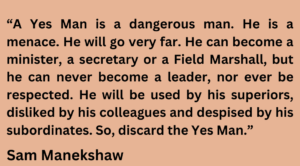
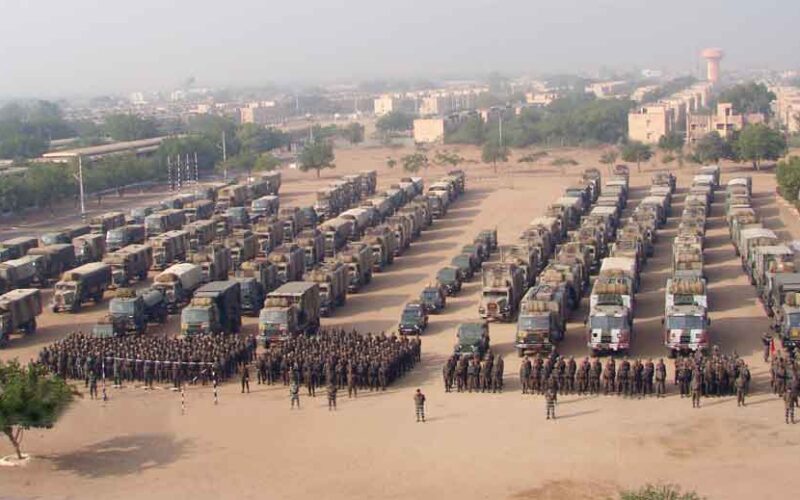
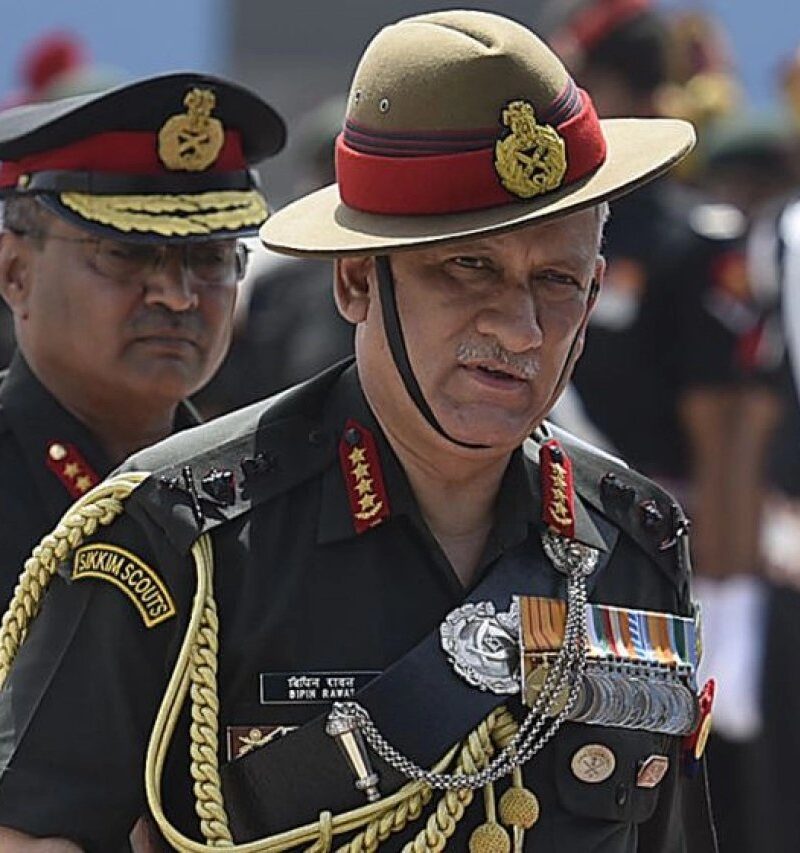
Concerns regarding a stifled culture of free speech within the Army are frequently voiced by officers, both active and retired. These individuals argue that, across ranks, officers shy away from voicing opinions on vital matters impacting the institution and its personnel. This, they claim, leads to poorly analysed decisions at various levels, ultimately harming the Army’s long-term well-being. Acknowledging the potential merit in this perspective, I was tempted to title this blog as “Speak Up Colonel ” or “Speak Up General”. However, I believe that the onus to cultivate the critical inter-personal communication skill of raising constructive opinions lies primarily with individual officers and that too from younger days.
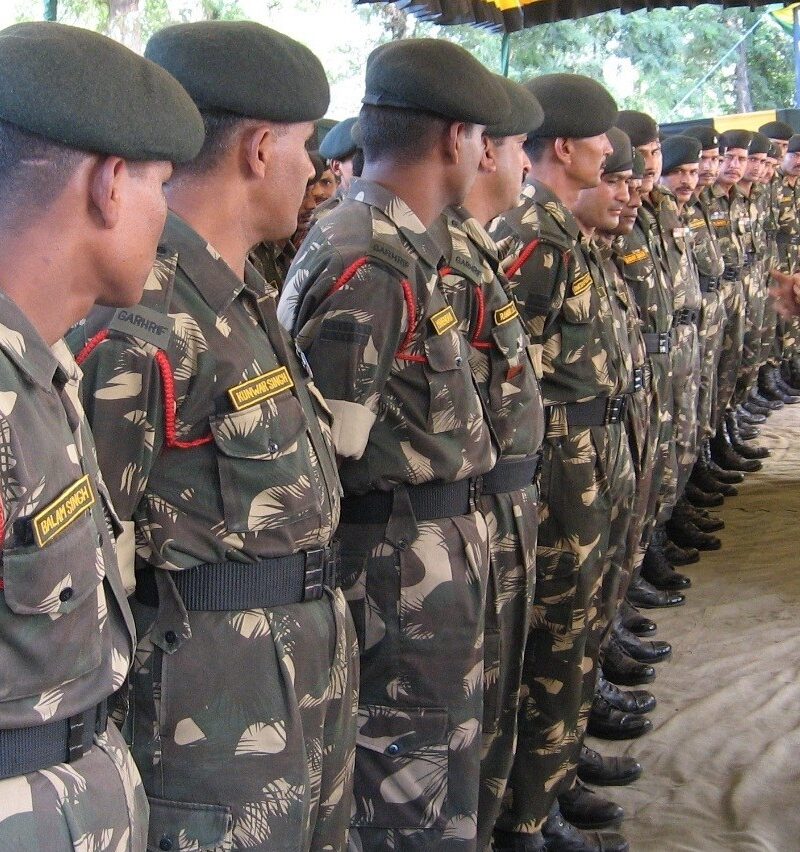
Imagine this: you’re a young officer, a platoon commander or an adjutant, brimming with ideas and eager to make a difference. You see inefficiencies in the system, potential improvements in the unit functioning, or even ethical concerns that need addressing. But you stay silent, hesitant to raise your voice. Why? Perhaps you fear reprimand, doubt your own experience, or simply feel that your voice won’t be heard. But here’s the truth, Captain: speaking up is not just your right, it’s your responsibility.
This article isn’t about blind rebellion or undermining discipline. It’s about empowering young officers to be active participants in shaping their units for the better. It’s about understanding why speaking up matters, how to do it effectively, and navigating the challenges that might arise. I myself, fairly early in my military career had taken a conscious decision to speak out my mind.
Why Speak Up ?
Think of your unit as a giant ship navigating complex waters. The commanding officer at the helm makes crucial decisions, but effectiveness of his decisions depends on the crew below – on your keen observations, diverse perspectives, and willingness to share them. Here’s why speaking up is crucial:
- Improved decision-making: Your unique experiences and insights can challenge assumptions, leading to better-informed decisions that benefit the entire organization.
- Enhanced morale and engagement: When young officers feel heard and valued, they are more motivated and invested in their work, leading to higher team morale and performance.
- Ethical responsibility: Ignoring potential problems due to fear of speaking up can have serious consequences. It’s your ethical duty to voice concerns about operationaland security lapses, fairness, or misconduct.
- Make You A Better Leader: Speaking up is a valuable communication and leadership skill. It builds confidence, strengthens relationships, and prepares you for future leadership roles.
- Expectations of your soldiers. Soldiers expect their commander’s to be speaking up and raising issues related to their welfare, morale and unit efficiency.
Speaking Up Effectively

While very few senior officers discourage speaking up, the lack of explicit training in effective communication can lead to unintended consequences. Young officers, eager to contribute, might inadvertently use inappropriate language or delivery, potentially hindering their message and jeopardizing their standing within the hierarchy. This, in turn, creates a chilling effect, discouraging others from voicing their concerns. So, the question remains: how can officers navigate this complex situation and raise their concerns constructively? Here are some tips…
- Pick a Just Cause. Make sure that the issue you are raising is just and merits speaking up and will have positive impact on the organisation. I recall an incident of 2006, when I was commanding my unit. During the Divisional Commander’s (GOC) first visit to our just settled unit in a new station, he directed me to send our cross-country team for trials alongside the already selected Divisional Team. However, on the day of the trials, the team captain informed me that the Divisional Team wouldn’t be running, leaving my boys to face the trials alone. This felt contrary to the GOC’s instructions and unfair to my team. I attempted to rectify the situation by contacting the concerned staff officer but his refusal to intervene prompted me to recall my team without the trial. Later that afternoon, I received a call from a visibly displeased GOC. I explained the situation, and quite reluctantly and with a word of caution, he ordered a fresh trial. The tension on that day was palpable, with many blaming me and my team for the situation and anticipating severe consequences for my unit. However, the tables turned when our team triumphantly secured nearly all top positions. This incident underscores the importance of speaking up, but only for a just cause. In this instance, my firm stance and unwavering belief in my team’s abilities, despite the pressure, ultimately led to a rewarding outcome.
- Do your homework: Research the issue thoroughly, understand the relevant regulations and policies, and be prepared to present your case with evidence and data. Many times, the decision makers will alter their decisions in your favour if you can argue a case well.
- Tailor your approach: The effectiveness of your message hinges on choosing the right audience. For minor issues, directly address the individual responsible. For systemic problems, consider your immediate supervisor first. If the concern involves higher-level policy, escalate through proper channels. Remember, public criticism rarely fosters constructive dialogue. Seek private discussions whenever possible. Public criticism is rarely constructive; seek private audiences unless the issue demands wider attention. While well-intentioned, my own experience as a young captain highlighting concerns about operational plans in a unit-wide debriefing wasn’t the most effective approach. Though the commanding officer graciously acknowledged my point, I later learned he wasn’t receptive to the public nature of the feedback.
- Focus on solutions, not just problems: Don’t just complain; propose constructive solutions and demonstrate your commitment to finding a positive outcome. Avoid the tendency to raise issues for the sake of “cheap popularity”.
- Be respectful and professional: Maintain a calm and respectful demeanour, even if you disagree. Focus on the issue, not personalities. I have seen many a young officer’s putting across their point of view with maturity and firmness and getting away with the changes they wanted.
Navigating the Challenges of Speaking Up
Notwithstanding all the tips given above, speaking up can be daunting, and there might be challenges along the way:
- Fear of reprisal: While most honest and genuine feedback is unlikely to incur trouble, there are situations where the fear of reprisal may be justified. In such cases, remember that you have protections under regulations and policies. Familiarize yourself with your rights and don’t hesitate to seek support if needed.
- Lack of confidence: You might feel inexperienced or unsure of yourself. But remember, your perspective is valuable, and your voice deserves to be heard. Start small, practice communication skills, and build your confidence gradually.
- Resistance to change: Established systems can be resistant to new ideas. Be prepared to face resistance and demonstrate the benefits of your suggestions with patience and persistence.
Also remember that while you understand the importance of speaking up for the right issues, but true leadership isn’t a one-way street. Extend the same latitude you demand for yourself to your subordinates. Be an impartial listener, welcoming their candid suggestions and constructive criticism.
As Winston Churchill said: “Courage is what it takes to stand up and speak; courage is also what it takes to sit down and listen”. https://www.azquotes.com/quote/56288?ref=speaking-up




2 comments
Couldn’t agree with you more Sir. Amazing article and actually need of the hour/day/night/month & the present environment. While we as Army officers have all round & multifarious experience & exposures but somewhere down the line we don’t speak out. SHYNESS & somewhere scared off raising our view points which may not be liked by politicians/ babus or even our own hierarchy .. But we must encourage . That will make them stronger leaders , human being and Commanders . 💪💪🙌🏽
Very nicely penned down 👍 The topic is the order of the day,no second thought about it. It’s very important to listen actively to others. Unfortunately,we tend to focus on what we want to listen and also what we want to talk than patient listening. The major issues are the most spoken one letter word ‘I’ and the most poisonous three letter word ‘EGO’. I want this, I don’t want this, I like this, I don’t like this. I love this, I hate this and so on… Nobody can fulfill your expectations in this world and naturally, the joy reduces when the expectations are high. Similarly, EGO kills a person, family, friendship, society, state, country and the whole world. So, it’s imperative to learn the wonderful principle of ‘ Agree to Disagree ‘. Yes,it requires tremendous practice, practice and practice through deep breathing, meditation etc. Hence,we all should do brainstorming sessions at every level in all organizations/ institutions to cultivate this two way traffic especially at the lower levels. If a youngster is given a shut up call,he/she will never open up again. So,the seniors,if they honestly want some correct feedback,they should encourage others to give it without any fear or hesitation. After listening to them in the right earnest and perspective if you still want to go with your decision, it’s alright,they will accept it, you being a senior. But please don’t shut them out, that will turn them into a YES man/ disgusted with the system, which will not be good for the organisation in the long run. So, cultivate this wonderful communication for the overall benefit of the organisation/institution.