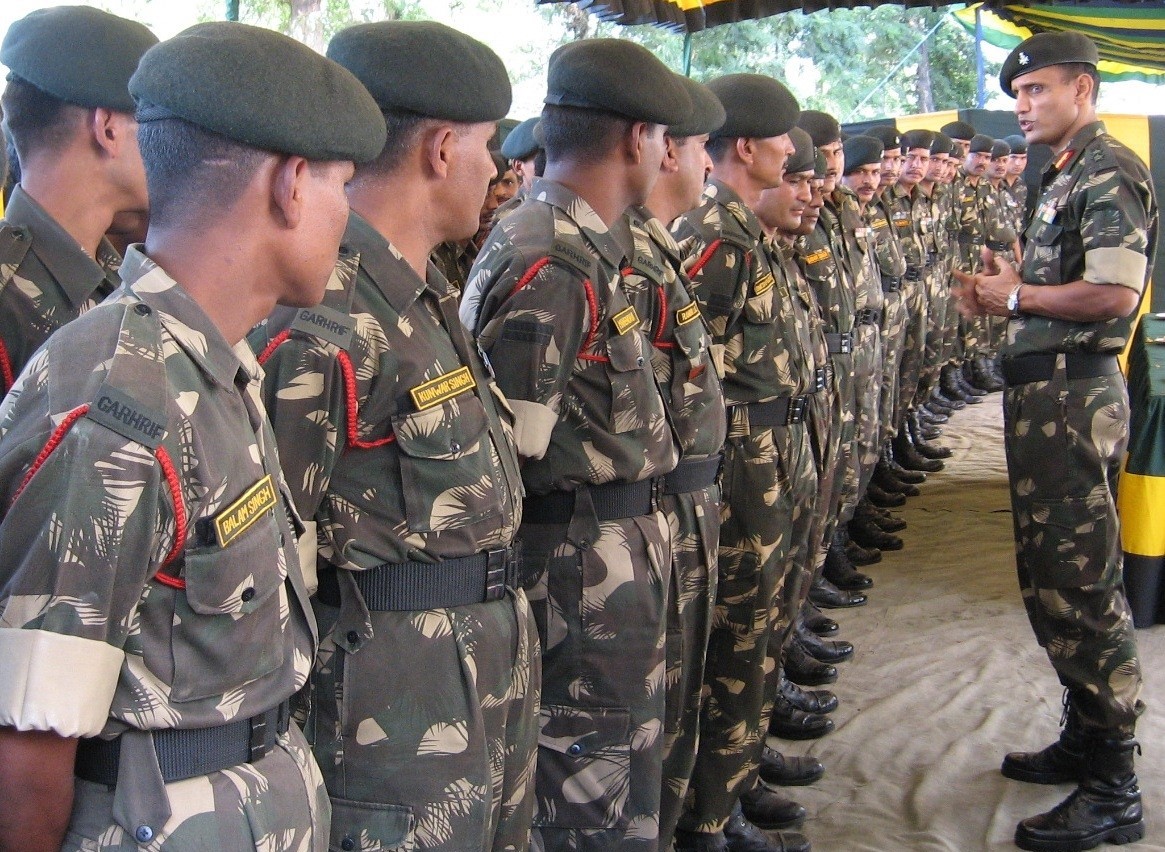

The Military Commander
Commanding a group of highly trained armed men in dangerous situations offers an unparalleled sense of purpose and responsibility. Few other experiences can match the intense focus, camaraderie, and shared risk it offers. This unique experience alone motivates many Army men to repeatedly seek tours of duty in operational araes.
The command experience can start with leading a small team of soldiers or a troop of tanks. At a higher level, it could go up to an Army Corps or an Army Command consisting of hundreds of thousands of soldiers with complex weapons and equipment.
Each level of command offers a unique set of challenges and a distinct sense of accomplishment. The larger the command, the more difficult it becomes to influence the soldiers with commanders personal traits and actions.
The smaller the command, the easier it is to motivate the men, but there is also the constant pressure of being directly under their gaze. Company commanders and battalion commanders cannot falter in their behavior and conduct. The contact is so intimate that their men will see through their character within no time.
The Buck Stops Here
Battalion commanders, fondly referred to as “Tiger” shoulder immense responsibility for their soldiers. They must anticipate operational challenges, formulate effective plans and lead from the front in battle. They also need to oversee logistics, manage expectations from higher command, and ultimately, take accountability for any failures. This truly embodies the adage, “The buck stops here.”
Therefore, most armies consider battalion command as the ultimate test of a professional Army officer. Battalion commanders inspire young officers with their leadership and influence, serving as the backbone of the organization. As retired US Army Lieutenant General Walter F. Ulmer Jr. stated, “battalion commanders—even more powerfully than division commanders—craft the organizational climates that motivate or discourage lieutenants . . . and everybody else.”
Battalion commanders are granted substantial legal, administrative, and financial authority to effectively fulfill their duties. This includes the power to convene summary court-martials and impose punishments of up to one year’s rigorous imprisonment. Additionally, their assessments can significantly impact the careers of their subordinates. However, most experienced battalion commanders prioritize leadership over authority, recognizing that these powers should be used judiciously.
The Making of a Battalion Commander
In the earlier days, officers became battalion commanders after putting in 18-20 years of service. However, now officers reach this exalted position within 14-16 years.There is no specific training for becoming a battalion commander except the senior commander’s course at the Army War College. This course, which instructs officers cleared for promotion as battalion commanders, mostly focuses on tactical and operational matters.
Most battalion commanders are therefore self-taught, learning the nuances from their seniors who may all have their own leadership styles. As a Brigade Major, I recall one of my Brigade commanders telling all senior majors, “Prepare well for command,” which prompted me to pen down my “key result areas” well in advance. Accompanying him during visits to units was an exercise in learning, especially for the discerning. He emphasized a lot on the “unit tartib” or the “standing operating procedures.” During inspections, he insisted on seeing the “Standing Orders for War and Peace.” This made me realize that these two documents, if written and understood well, can make the job of a battalion commander much easier.
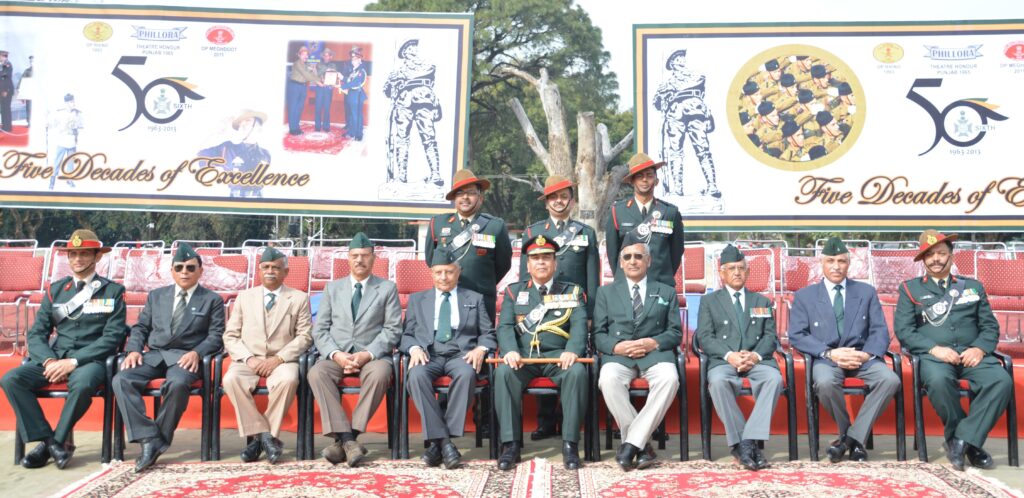
Focus on Operations and Training
The Indian Army’s operational focus leaves little room for on-the-job training. Many successful commanders have recognized this and proactively invested time in understanding the operational environment, geography, and local populace of their future command areas.
The ultimate aim of any fighting unit is to be operationally proficient. In doing so, good administration and welfare are just enablers, whereas the main yardstick to judge the proficiency of a combat unit is its standard of training. Many of my predecessors in the Battalion were sticklers for training; thus, our soldiers were physically fit and skillful in handling weapons and equipment. I carried forward the already well-established legacy, and it was extremely satisfying toemerge as the “The Most Professional Battalion of the Gurj Division.“
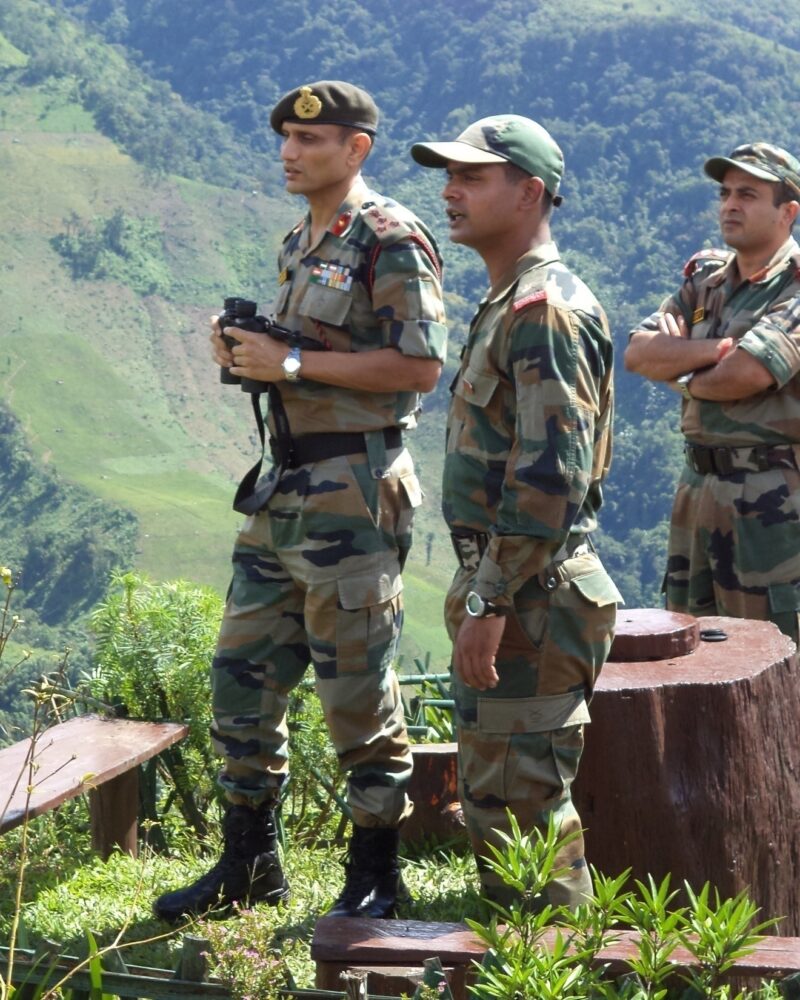
Rigorous peacetime training and stringent physical fitness standards were instrumental in our battalion’s successful completion of the demanding Siachen Glacier tenure with minimal casualties. Such challenging environments highlight the importance of battalion commanders setting a personal example by prioritizing their own physical well-being too.
The Human Element of Command
A battalion commander’s success hinges not only on tactical and strategic acumen but also on strong interpersonal skills. Understanding and empathizing with soldiers’ concerns, motivating them, and fostering a positive unit environment are essential.
One of my battalion commanders embodied this ideal. He often emphasized, “Know your soldiers, take care of them, respect them.” Inspired by his wisdom, I prioritized personal connections with my soldiers, addressing them by name and taking a genuine interest in their personal lives.
Recent incidents of ill-treatment and dignity violations of soldiers have underscored the importance of compassionate leadership. The Secunderabad incident of 9 Garhwal Rifles battalion commander, who risked his career to seek justice for a soldier’s family, exemplifies the moral courage expected of leaders.
It is also essential for battalion commanders to immerse themselves fully in the culture, traditions, and values of their troops. By doing so, they not only foster mutual respect and understanding but also build a stronger sense of camaraderie and trust within the unit. Understanding the unique cultural backgrounds of their soldiers also allows commanders to address their needs more effectively, and inspire a cohesive and motivated team.
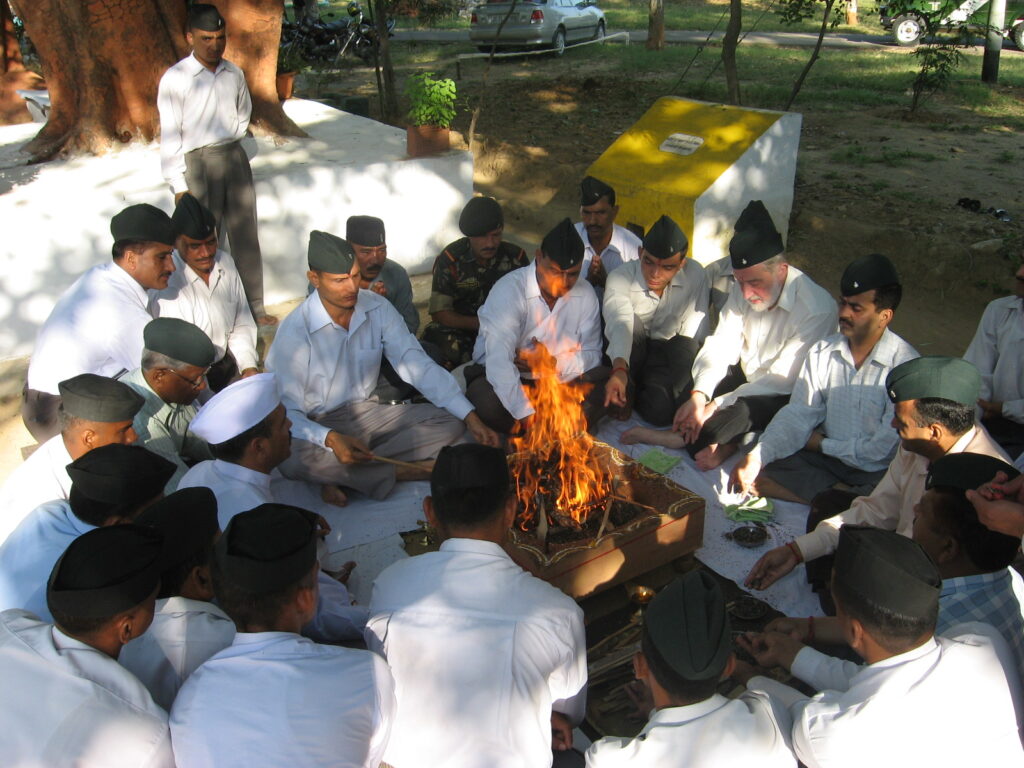

Ultimately, a battalion commander’s legacy is defined by their ability to lead, inspire, and protect their soldiers. By upholding the highest standards of professionalism and ethics, they can leave a lasting positive impact on the lives of their subordinates and the organization as a whole.





9 comments
Very well articulated sir. Bn Comd is the most pious journey that any Offr can get opportunity to pay back to his men. Thank you for sharing sir.
Very well said Gajinder. Commanding officer
is a leader, whose traits need wearing hat of a
fierce military commander, strict father,
caring mother, hard task teacher, trainer
and a tall personality to believe in and
shed life for.
No other profession demands a person or a
leader to wear so many hats. He is on an
ongoing mission, every single day, for continuity
of traditions, imbibing new trends and keeping
the group cohesive and battle worthy.
Salute to all Commanding Officers !!!
Very useful and educative article for the Unit Commanders of today and the future. A must read
Well written. Nostalgic memories
THe Word UNIT/Paltan/ Batallion/ Regiment as the colloquial usage as mentioned in this Article by the General is the BedRock Structural Pillar of Army Ethos & Traditions of a FIGHTING FORCE…. & a Compounded Host of Such Diverse Fighting UNITS formulate Indian Army Existence & Resultant Deliverance..Hence the Unique Responsibility of the TIGER to Mould this Well Trained & Highly Motivated Outfit to Deliver in War.I do recollect the Author as Bde Major accompanying his Cdr for My Annual Adm Inspection when I was TIGER 418(I) Field Company (VIJAY HAMARA)@ Joshimath in period 1999-2001& Proud of seeing the Bde Cdr Remarks on the Final Insp Report briefly stating” Unit FIT FOR WAR” penned in Brigadier Own Hand & Signature.The Penultimate Test of a UNIT of the IA prior to Delivering in ” WAR”while Fighting for the Country
👍🏽👌🏽
In my opinion “*Command is a matter of individual style and style is never out of fashion*”
There are few thousand Commanding Officer’s at any one time in the Indian Army. Most of them don’t make it to next rank due to the pyramidical structure of the org but almost all of them put in their best to lead with example, motivate, project, protect, promote and give life lessons from own experience. Undoubtedly, they are the cutting edge and making a positive difference at all levels. I salute all the Commanding Officer’s of all unit’s whether major or minor. 👍🏽👏🏽👏🏽🫡
A lot of parallels can be drawn from this article in relation to corporate leadership, where the mantra is always people, process and priorities. Today, a Project Engineering Manager leading engineering teams for a certain EPC project across offices in various countries with say about 1000 people looking for project direction, can fully relate to the role of a Batallion commander, as very well written here. This is an excellent piece which needs to be discussed even at corporate meeting rooms.
Well covered Sir
The article is very comprehensible and well crafted.The ethos of an army plays an important role in shaping it before it goes to war. This includes an emphasis on a high moral code, sound leadership, good training , discipline, sense of duty , professional competence etc. The General beautifully explained the role, responsibilities and challenges of Battalion Commander (Tiger) in shaping the unit for all tasks. This article is highly recommended for all the unit and sub unit commanders.