
Confusion in the Age of Accelerating Change
At a dinner a few days ago, I met one of my former colleagues, and we ended up talking about how fast the world is changing, especially because of new technologies like artificial intelligence, machine learning, robotics, and automation. Being from the older generation, we felt a bit overwhelmed by the pace of change and how quickly the “Zomatos” and “Swiggies” driven by high-end technology are reshaping our lives. While we agreed that technology has made many things easier, we still hesitated to fully appreciate its impact. In short, like many people—young and old—we found ourselves confused and unsure about how to understand and skill ourselves for a technology-driven future.
My friend lamented that the younger generation often needs a calculator for minor calculations, struggles with handwriting, and cannot differentiate between affect and effect or quiet and quite. He didn’t realise that the skills he was discussing might be outdated and have fallen in importance. I have had many similar conversations, always following up on the same point: the need to adapt and to reskill ourselves to be fulfilled and lead more productive lives.
While We Resist Change, It Will Still Happen
Humans naturally cling to the familiar. Change disrupts our routines, challenges our identities, and pushes us outside our comfort zones. Yet the normal process of change, accelerated by today’s disruptive technology, does not wait for anyone. Whether we like it or not, automation, artificial intelligence, and digital ecosystems will continue to redefine work, relationships, and the ways we live. The only reasonable response is adaptation — and adaptation begins with skills. I remember my misplaced arrogance from 1995, when I told a Staff College Wellington instructor that I didn’t trust computers.
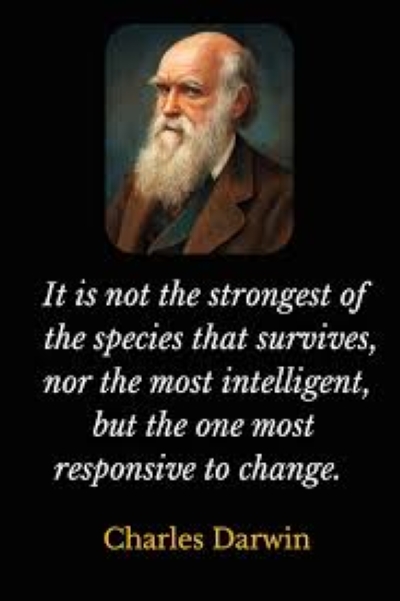
“The future belongs to the flexible, not the fearful.”
Ignoring Adaptation and Upskilling
Despite living in a skill-driven world, a large majority of us ignore skills and instead rely on processes, experiences, and advice to resolve problems. A few of us who do understand the importance of skills focus on outdated or lower-level ones, ignoring more relevant and higher-order thinking skills. We must understand that every skill has a life cycle. Once-valuable abilities slowly drift downward as newer, more relevant skills rise. Typing was once considered a valuable skill, but now, it is basic. Financial literacy was once optional; now it’s essential. The message is clear: upskilling is not optional — it is continuous.
The Five Levels of Skills
Skills are teachable abilities that can be practiced and refined. They are not the same as qualities or traits; while traits like honesty, accountability, decision-making, or empathy distinguish us as leaders, skills shape our capabilities. Skills are classified into five categories, i.e., basic, professional, personal, interpersonal, and thinking skills.
The lowest level, or the basic skills, includes reading, writing, calculations, digital literacy, driving, cooking, and functional communication—all of which are necessary for daily survival. Professional skills encompass domain-specific skills such as coding, accounting, design, or nursing. Professional skills encompass even highly specialised work such as machine learning. Most of us spend our maximum time in perfecting basic and professional skills.
Personal, Interpersonal & Thinking Skills: The Triad for the Future
Personal Skills
Aspects of personal skills include self-awareness, emotional intelligence, self-control, self-discipline, resilience, adaptability, avoiding provocation, and much more. These are essential for keeping us at the peak of our mental and physical ability. Without these, no professional skill can thrive. Everyone must develop the skill of “avoiding provocation and anger” in today’s fast-paced, consistently stressed life.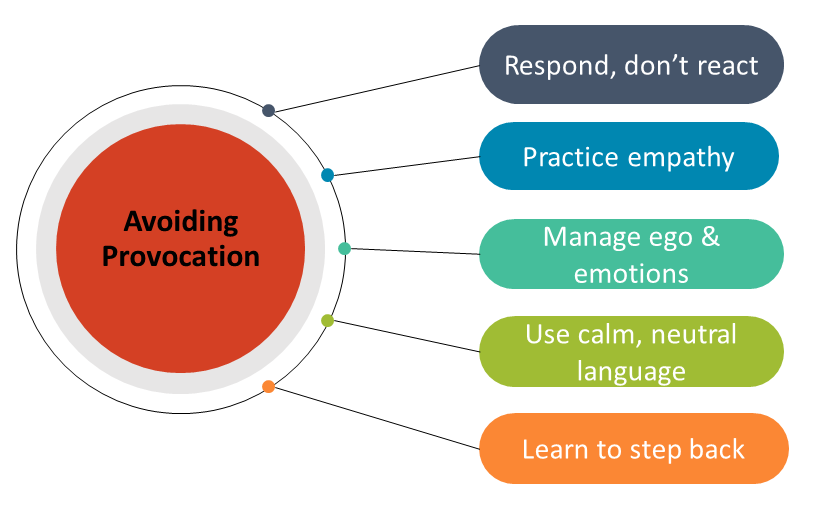
Interpersonal Skills
Communication, cooperation, empathy, compromise, and conflict resolution are examples of interpersonal skills. These are essential for thriving in social settings, be they our family, society at large, or our workplace. In today’s increasingly collaborative world, our ability to empathise, influence others, and build consensus is more valuable than ever.
“People skills will outlast machines.”
Thinking Skills
Thinking skills, including critical and creative thinking, analytical ability, problem-solving, and decision-making, are the final but most crucial abilities. As AI handles routine tasks, human value will lie in judgement, creativity, reasoning, and solving complex problems. Thinking is no longer a luxury — it is a necessity. Higher-level thinking skills, such as theorisation and visualisation, can help you shape your career, create wealth, and be happy at any stage of your life.
Conclusion: Skilling for a Future We Cannot Avoid
Change is inevitable, but growth is intentional. A future-ready mindset means accepting that old skills fade, new skills emerge, and learning must never stop. The future will reward those who can adapt quickly, think deeply, collaborate effectively, and manage themselves intelligently. Skilling for change is not merely preparation—it is transformation.