
Leadership: A Critical Enabler
Amongst all the subjects of my interest, leadership fascinates me the most. I feel, it has a profound effect not only on our personal lives but on the entire society and environment. It isn’t just a catchy phrase; it’s an innate human ability that drives both personal and collective progress. It’s about inspiring and influencing others, and ourselves, to pursue a vision for a better life.
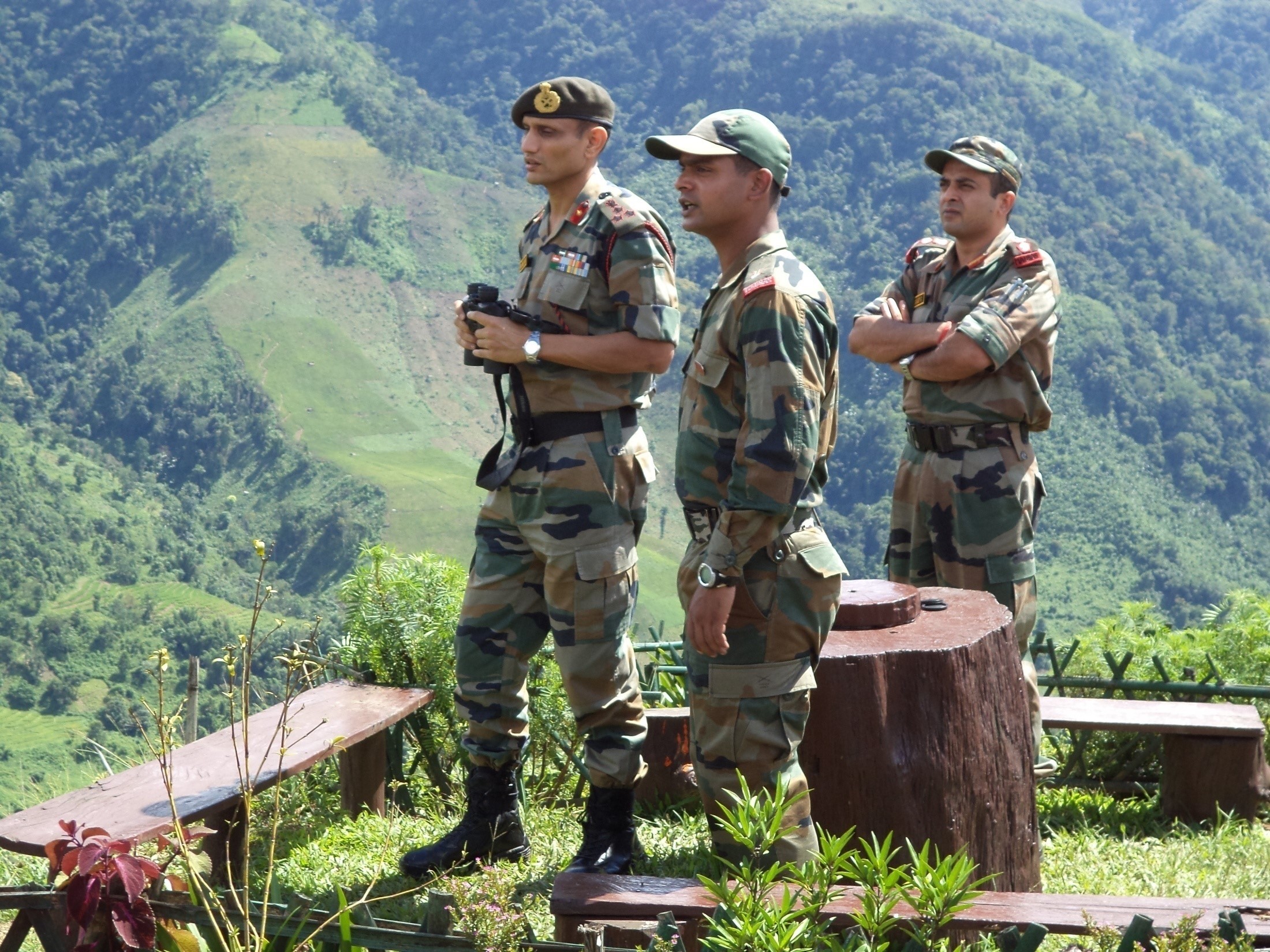
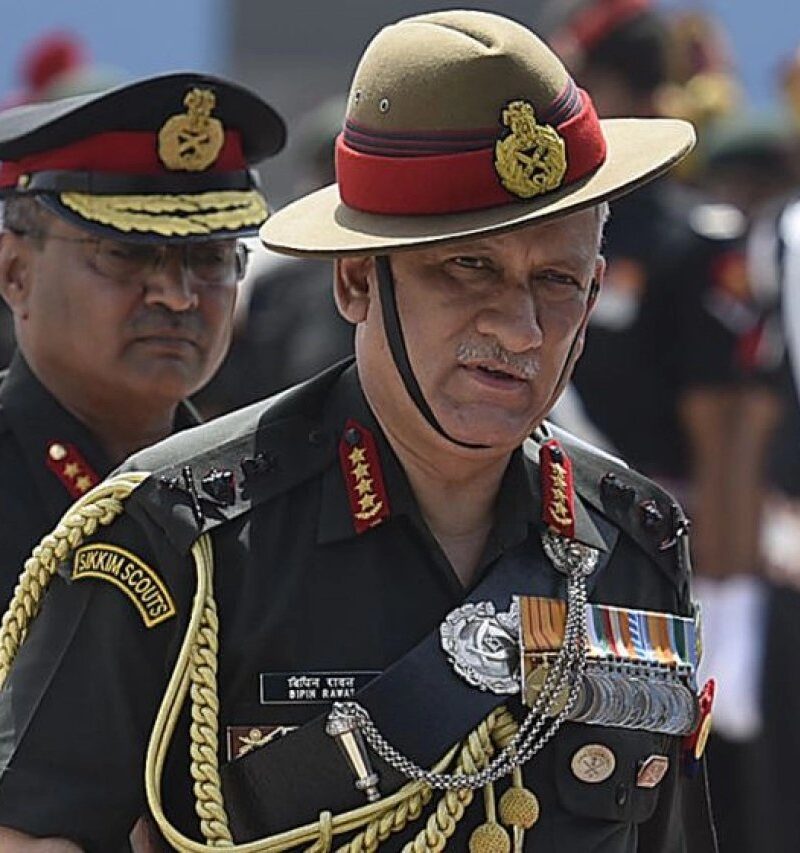
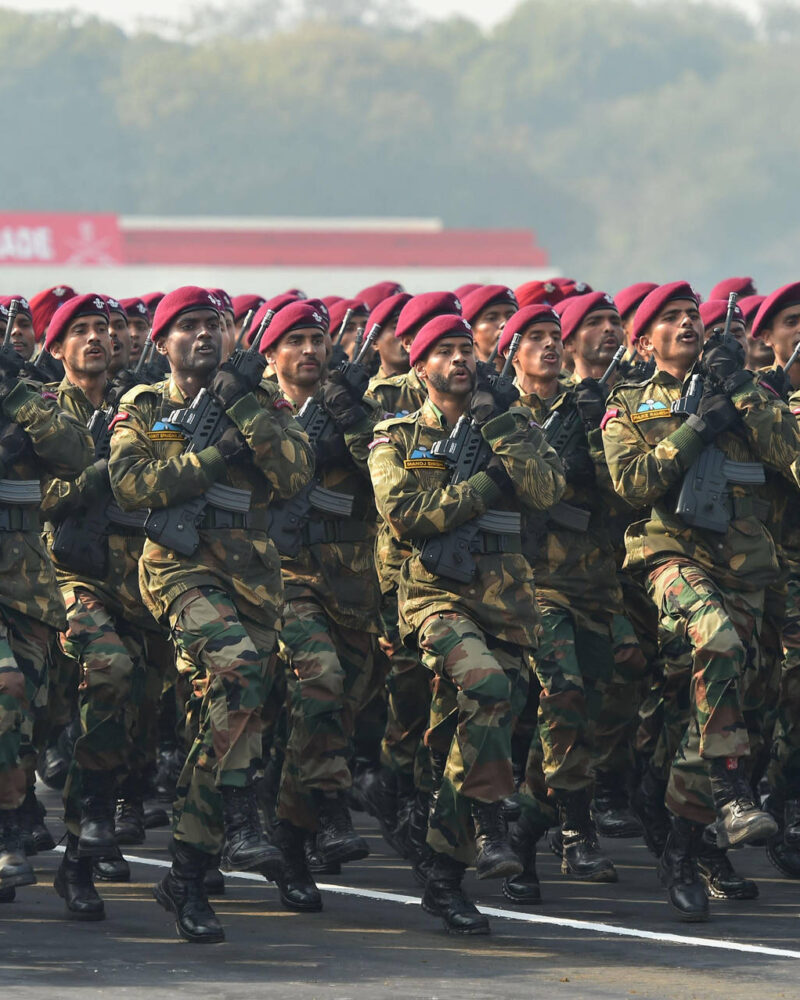
Contrary to the popular belief, leadership transcends titles and positions. From soldiers to CEOs everyone is a leader in his own right. Whether you’re shaping your own destiny or of your family or leading a team, leadership can empower you to make positive impact that everyone seeks. Yogendra Singh Yadav as a young soldier, at the age of 19, was awarded Param Vir Chakra for showing exceptional bravery and leadership during the assault on Tiger Hill.
Remaining passive and not exercising leadership, isn’t an option for anyone. Opting out of leadership leaves you susceptible to being influenced by others, hindering your potential and those who look up to you. Whether it’s taking initiative in your community, mentoring a colleague, or simply expressing your ideas confidently, every act of leadership, big or small, is an investment in your growth and will enable you to achieve your life purpose.
Seldom Implemented
My experience however, has revealed a concerning trend: individuals, despite achieving success through sheer hard work and talent, find themselves stagnating due to a lack of leadership. They remain confined to their roles, unable to fully contribute their unique perspectives and drive positive change. By failing to embrace leadership, they not only hinder their own potential but also fail to empower others to do the same.
This stagnation stems from several key factors:
- Blindness to leadership’s importance: Many individuals fail to grasp the impact leadership has on themselves and others, thus do not treat it as a fundamental activity in their life.
- Misunderstanding of leadership: Some equate leadership solely with high-ranking positions or specific individuals, overlooking the reality that leadership is a responsibility and skill everyone must learn and can develop at any level.
- Lack of enabling environments: Regrettably, many organisations, including the military, don’t offer sufficient opportunities for employees to hone their leadership skills. As per a study 83% of organizations believe it’s important to develop leaders at every level but only 5% have implemented leadership development at all levels.
- A societal culture averse to leadership: Our broader society often lacks encouragement for innovation, risk-taking, and creativity, all crucial attributes for leadership.
Leadership training therefore becomes a valuable asset with transformative power. “Investing in leadership training is an investment in yourself and the world around you. It unlocks your potential to not only succeed but also make a meaningful difference.”
What is Leadership?
Pinpointing leadership with a single definition proves elusive, given the diverse situations where leaders interact with followers. While definitions abound, many converge on a common theme: motivating and guiding individuals towards shared goals and driving organizational change.
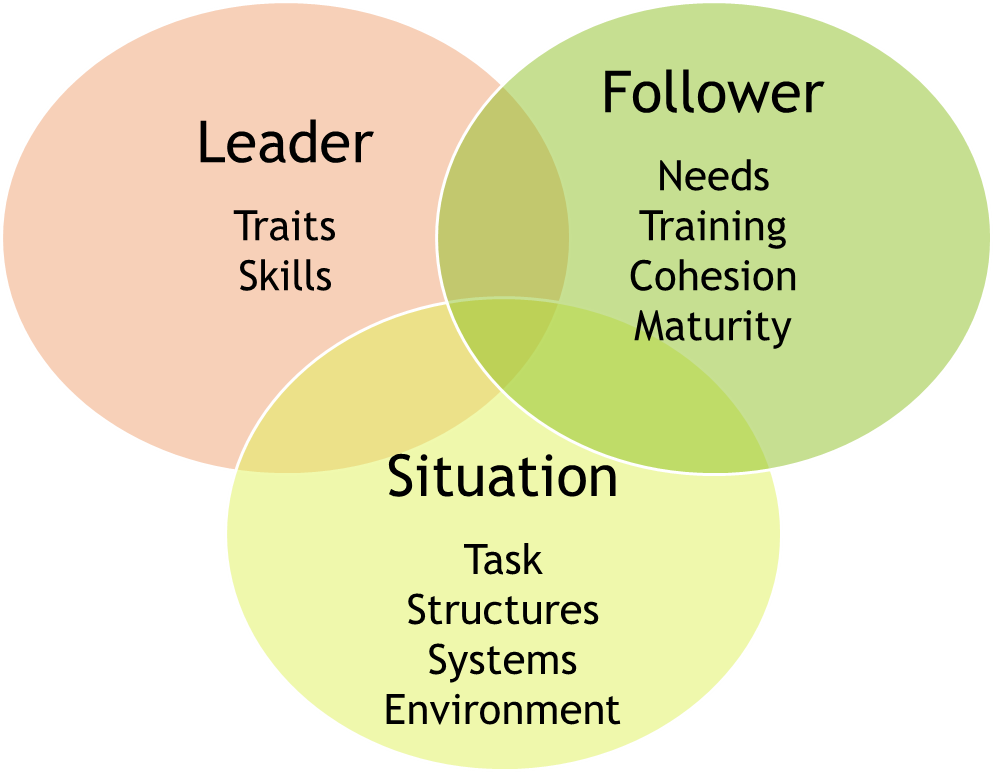
Also, common theme of leader – follower – situation relationship emerge from most of these definitions.
Leadership Styles
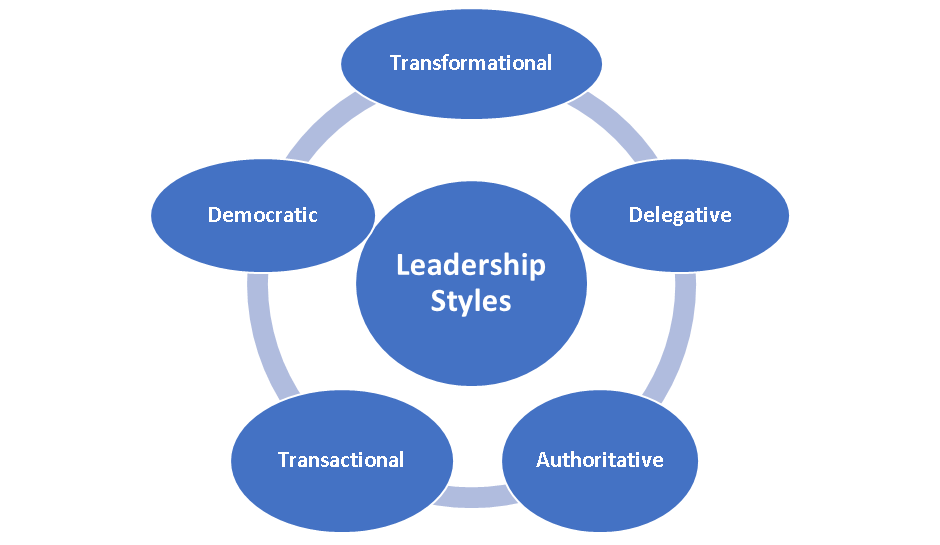
All leaders develop a unique leadership style influenced by their upbringing, background, experiences, and the organizational culture they navigate. Even within the military, where discipline and hierarchy are paramount, diverse leadership styles flourish. For example, General Montgomery’s meticulously planned approach exemplifies a transactional style, while General Patton’s motivational and risk-taking leadership embodied the transformational style
Leadership styles , including methods to help you identify your own will be explored in greater details in later posts .
Leadership Skills and Traits
Many people confuse leadership skills with traits or qualities. However, a crucial distinction exists between the two:
• Skills are learned abilities that enable you to perform tasks effectively. These are acquired through education, training, and experience, making them dynamic and improvable with dedication. Think of them as action verbs, like training, implementing, leading, promoting, developing, presenting, organizing, and planning.
• Traits are relatively stable characteristics that define your personality and approach. These are innate tendencies or dispositions that shape your behaviour. While they can evolve over time, they tend to be more consistent throughout your life. Common leadership traits include integrity, resilience, empathy, and decisiveness.
Searching for leadership traits online can be overwhelming, with universities and business schools offering diverse lists. Even the included diagram, compiling traits from nearly 20 sources, features about 40 distinct qualities.
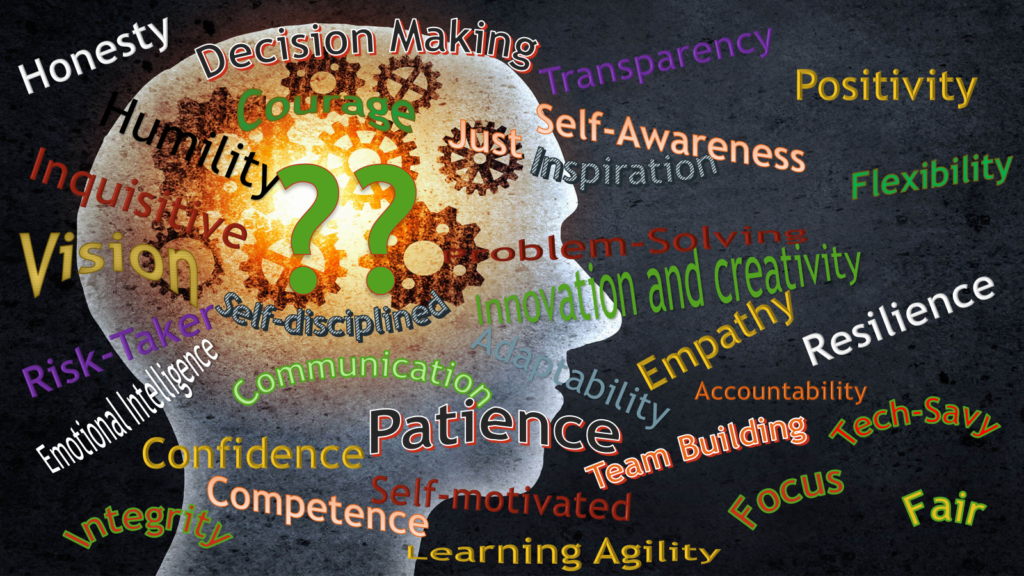
However, don’t be discouraged! While the specific order might not be crucial, identifying the core traits is key. Dedicate some time to this exercise and reflect on what YOU consider the essential qualities of a leader. Remember, the most important leaders are those who develop their own unique blend of these core traits.
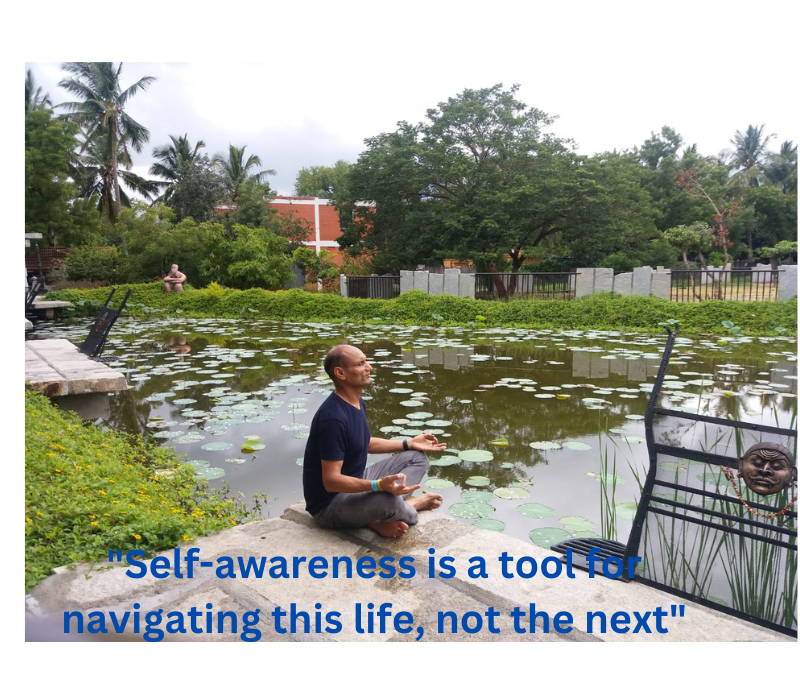
I have done the similar analysis and distilled the core leadership traits given below. Amongst these, Self-awareness is a first step towards harmonization of your life with your values, traits and core beliefs. It will help you reduce internal conflict and becoming a more authentic leader.
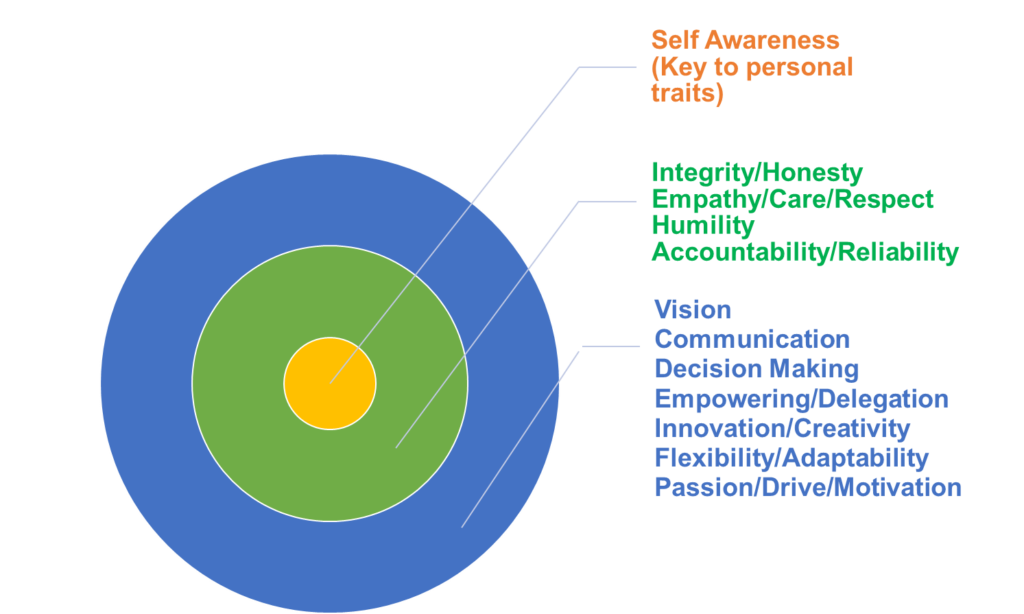
Leadership traits, including ways to improve them will be covered in later posts .




4 comments
Wonderful article on leadership which aptly covers the leadership essentials for uniformed forces and civil street.
This beautifully encapsulates the essence of leadership in personal and collective growth, highlighting how leadership transcends titles and positions. Most importantly, it emphasizes the fact that ‘EVERYONE HAS THE CAPACITY TO LEAD.’ in various aspects of their lives.
To add to the discussion, one notable point is the significance of adaptive leadership in today’s rapidly changing environments. As the world evolves, leaders need to be agile and adaptable to navigate through uncertainty and complexity.
Furthermore, exploring the concept of Servant Leadership could enrich the discourse. Servant leaders prioritize the growth and well-being of their team members, fostering a culture of trust, collaboration, and empowerment.
Overall, it is an excellent read, offering valuable insights into the nature of leadership. General Chandel has published only Part 1 of the article. I’m sure the General is going to bring out more valuable lessons in his upcoming series of articles.
Well said Sir. The subject of leadership will remain intriguing though; difficult to be conclusive on anything.