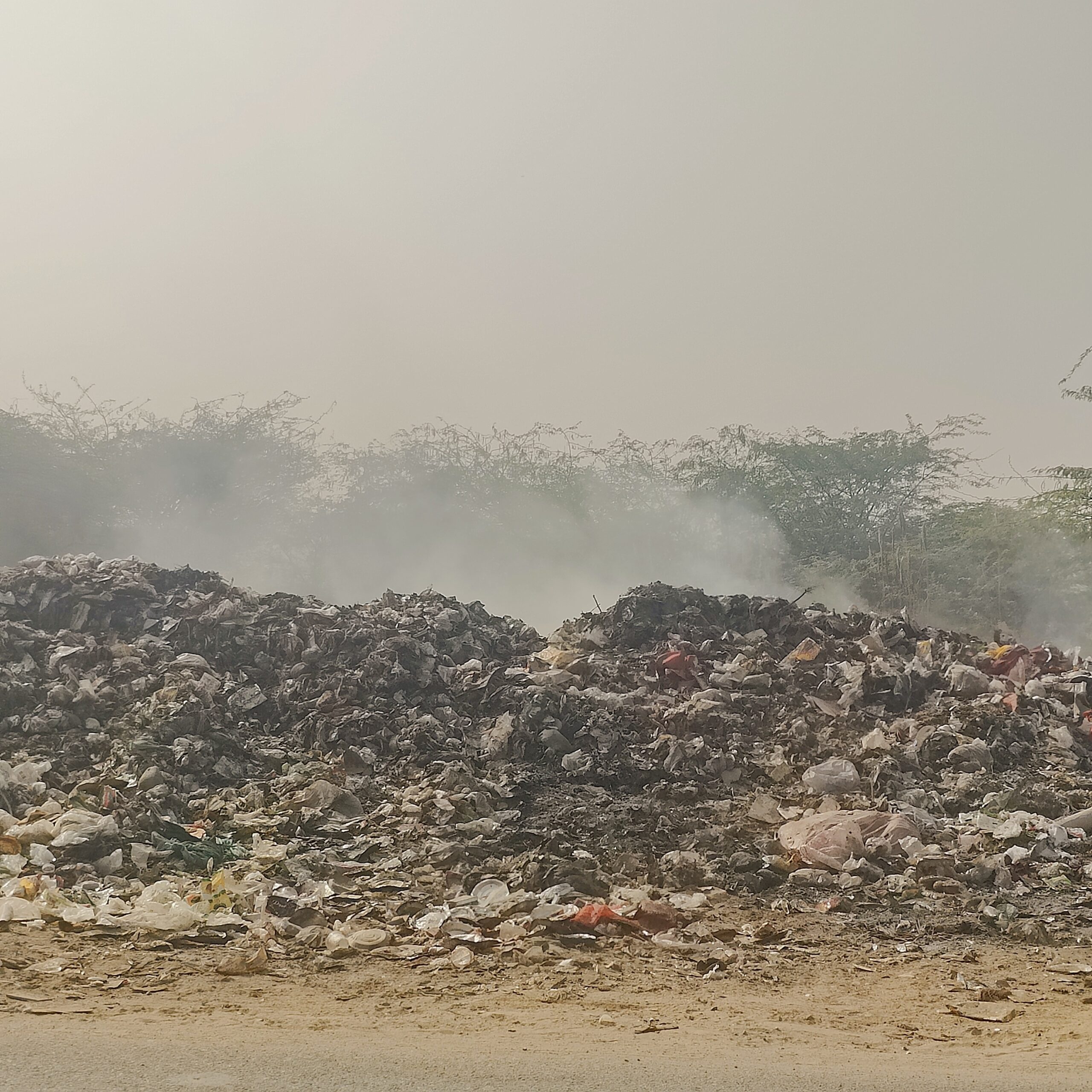

The recent uproar among Dwarka Expressway residents against the Municipal Corporation of Gurgaon’s (MCG) decision to establish a garbage processing plant in the heart of Sector 103 is a stark reflection of the city’s mounting garbage crisis. United in their opposition, residents from all walks of life have vehemently condemned this ill-conceived plan.
Following intervention from Haryana Chief Minister Mr. Nayab Singh Saini, the project was temporarily halted, and an expert committee was formed to provide recommendations. However, the committee’s composition raises concerns. Primarily comprising former bureaucrats responsible for the city’s urban mess and a few environmental activists, it notably lacks representation from the affected Dwarka Expressway region.. The committee’s subsequent recommendation of 20 such plants, including the one in Sector 103, is alarming and indicative of a disregard for public opinion.
Dwarka Expressway residents have ample reason for their discontent. Despite the 2007 master plan promising world-class amenities, the area remains plagued by inadequate infrastructure. The GMDA and MCG engage in a perpetual blame game, neglecting essential services like roads, street lights, water supply, electricity, sewage, and garbage collection. Residents have been issued occupation certificates for homes without basic access or infrastructure, subjecting them to subpar living conditions.
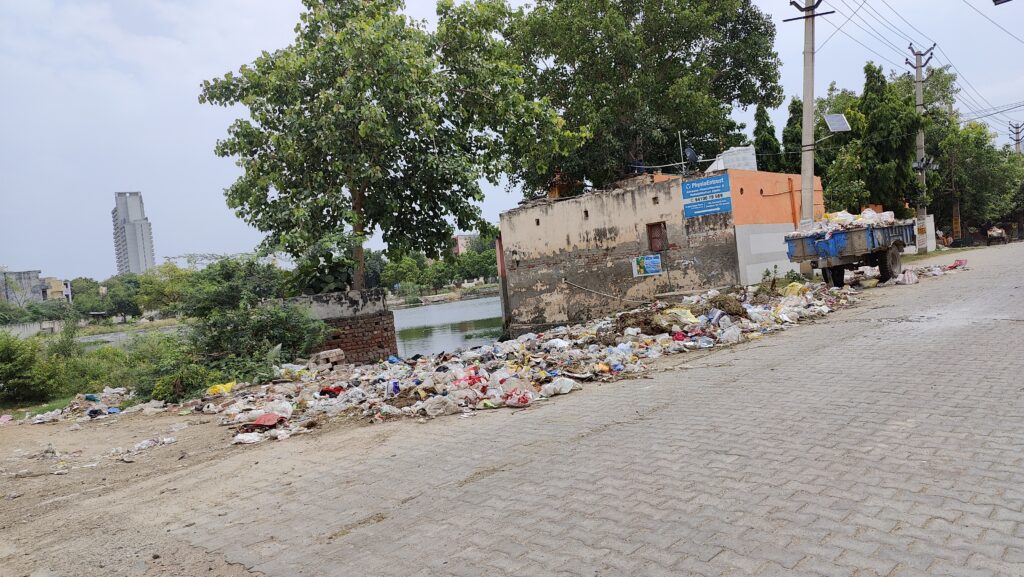
While the construction of the Dwarka Expressway, thanks to the efforts of Mr. Nitin Gadkari and NHAI, offered a glimmer of hope, the MCG’s incompetence threatens to undermine this progress. Residents who have invested their life savings in their homes deserve a better quality of life.
We recognize the urgency of addressing Gurgaon’s garbage issue through proper segregation, collection, and scientific processing. While we understand that the MCG may have a broader plan for the city, its track record and the lack of transparency erode public trust. Past experiences with sites like Bandhwari have shown that these plants often morph into unsightly garbage dumps, deteriorating the city’s environment.
To prevent a repeat of this situation, the following is proposed:
- Strict enforcement of source segregation: The MCG must compel all waste generators more so the bulk ones to comply with waste segregation guidelines.
- Efficient waste collection: The MCG should implement a robust system for collecting and transporting garbage.
- Transparent site selection: The identification of sites for garbage processing plants must occur in non-residential areas through a transparent process, including public hearings if necessary. The Sector 103 site is a no go because of being in the middle of a residential sector.
- Prioritization of plant establishment: No garbage should be transported to selected sites until the processing plants are fully operational.
- Community oversight: Monitoring committees comprising local RWA representatives should be established to ensure the effective operation of these plants.
The residents of Gurgaon are committed to contributing to a clean and sustainable city. However, this cooperation depends on the MCG fulfilling its responsibilities. Creating temporary garbage dumping grounds without a comprehensive plan will only exacerbate the problem and lead to further public unrest.