
Since leaving Assam in 2018, we always wished to return to the North East, to revisit and relive our memories. A full trip across the entire North East can take over a month, so we decided on exploring the Bodoland region of Assam and the Kameng division of Arunachal Pradesh. After landing in Guwahati, the main destinations on our itinerary included Tezpur, Kaziranga National Park, Manas National Park, Tenga, Sela Pass, Tawang, Bumla, and the famous Sangetsar Lake.
The presence of a few close friends in the region added further incentive to embark on this long-awaited journey, as I looked forward to spending some brief but quality time with them. Kaziranga—my all-time favourite destination—was naturally included in the itinerary, especially because my daughter-in-law, Deeksha, who had joined us for the initial leg of the trip, was eager to see the famed one-horned Indian rhinos.
After landing at Guwahati we drove to Tejpur along the Southern Bank of Brahmaputra via Naogaon. I was pleased to see that the roads have improved considerably and ride through the earlier congested Guwahati city was smooth. Many nice restaurants and dhabas have come up along the way. If you drive straight to Kaziranga, it is about 200 km from the airpot and it takes around three hours to reach. There are many good hotels and resorts that come up near the national park catering for all categories of travellers.
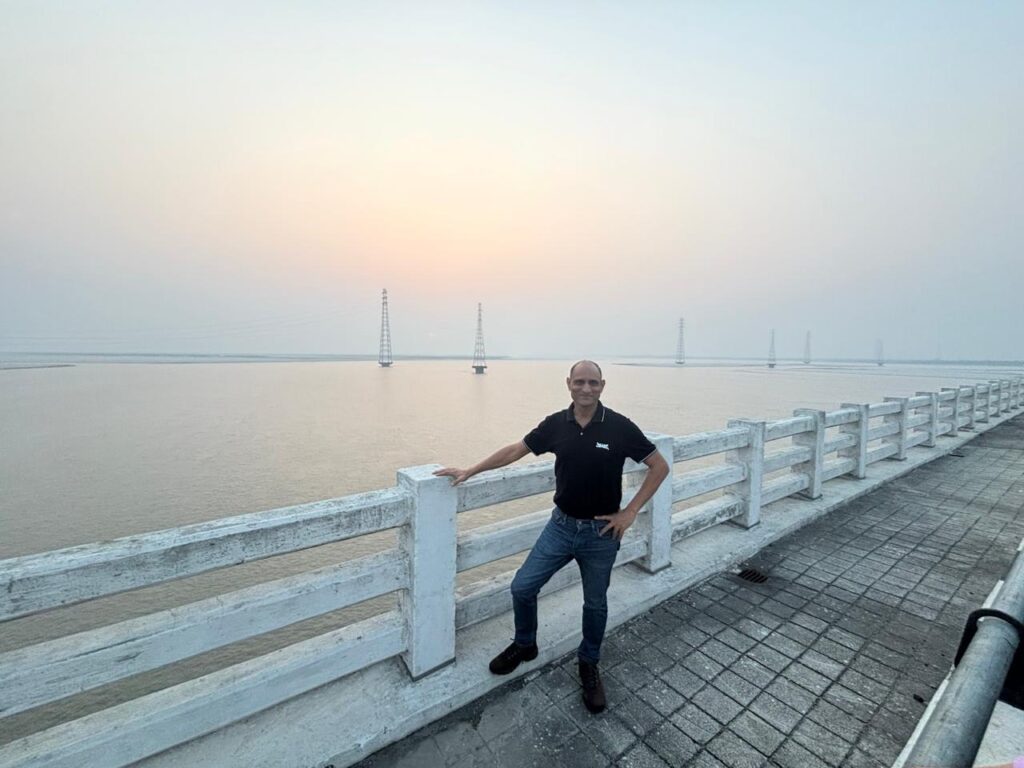
Crossing the mighty Brahmaputra via the 3-kilometre-long Kolia Bhomora Bridge has always been a humbling experience — and this visit was no exception. The journey brought back vivid memories of my first crossing back in 1987, the year the bridge was inaugurated. Once a vital lifeline connecting North and South Assam, the Kolia Bhomora Bridge held its place as a critical link for decades. Though now overshadowed by the longer Bogibeel Bridge (4.94 km) and the majestic Bhupen Hazarika Setu (9.4 km), its historical significance and engineering marvel remain etched in the legacy of Assam’s infrastructure.
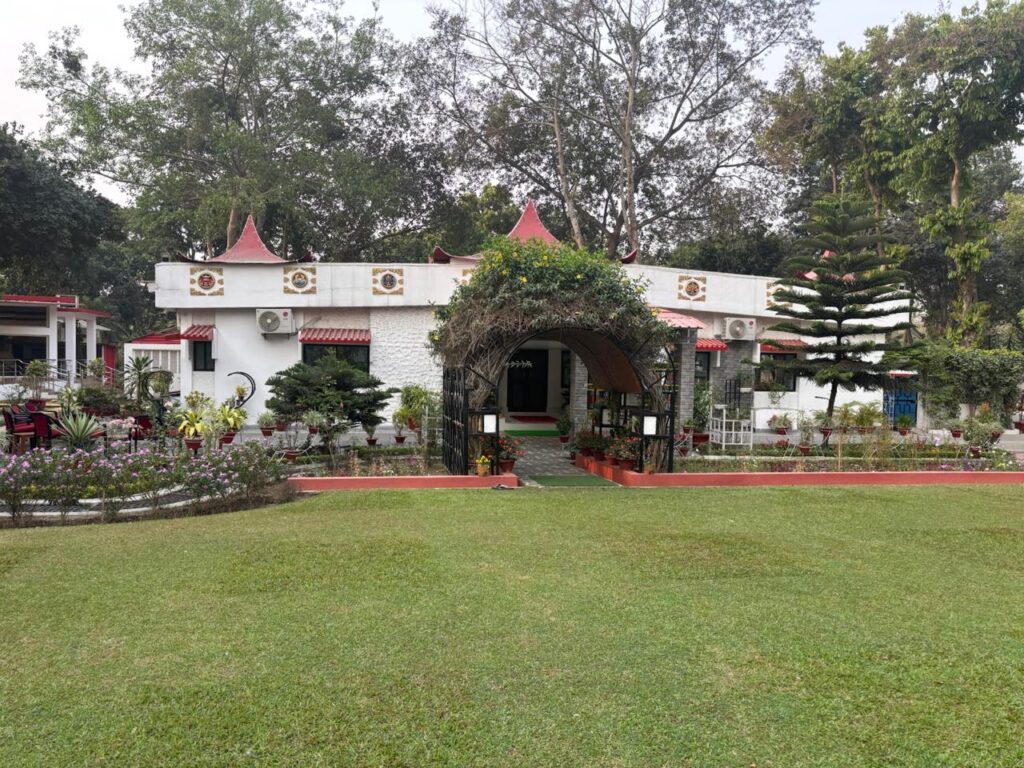
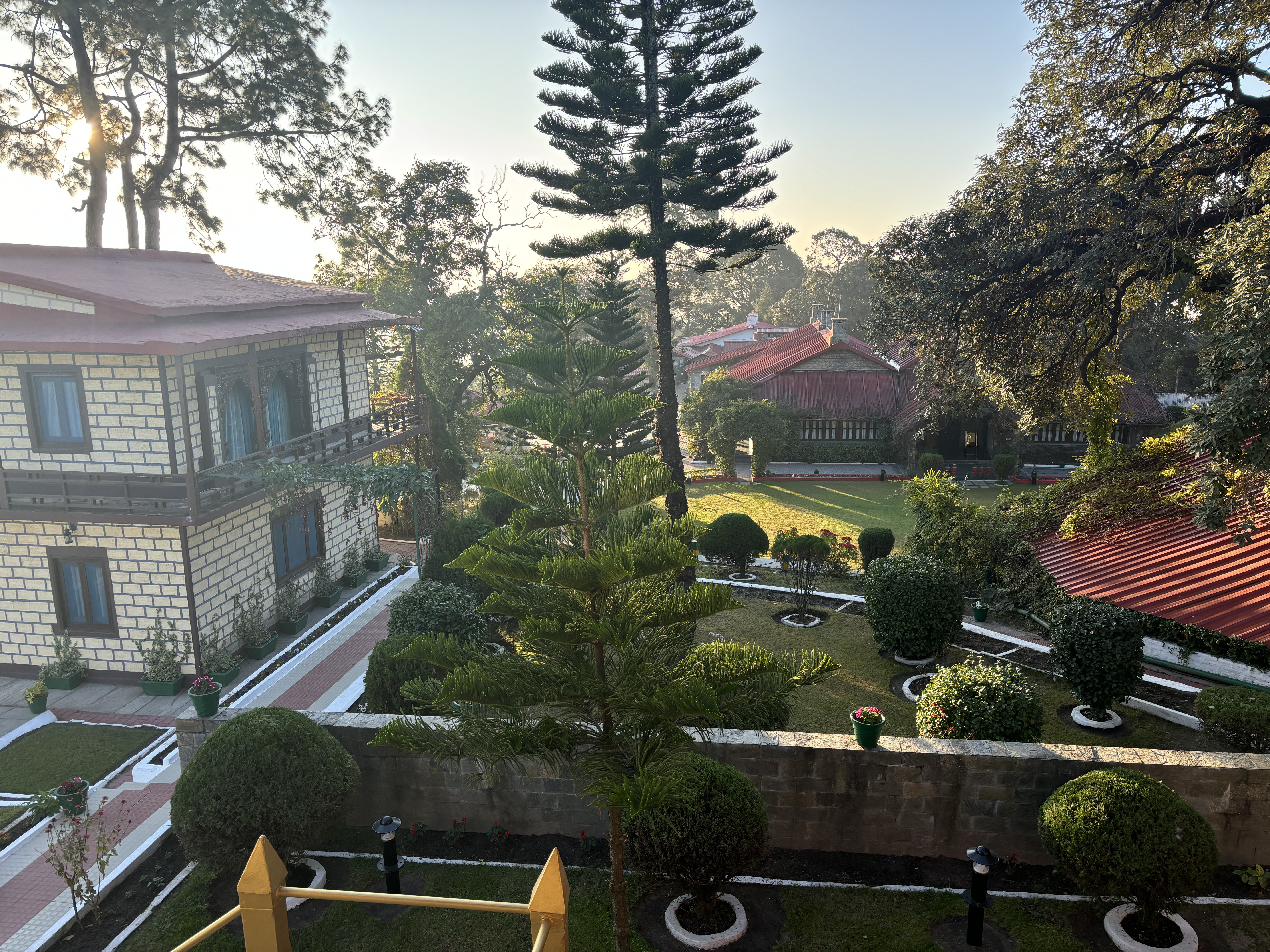
Far from the hustle, noise, and pollution of Gurgaon, we spent a peaceful night at “Airawat” in Tezpur. This charming British-era bungalow, steeped in history, has served as the residence of Corps Commanders for decades. Nestled amidst serene surroundings, its simple architecture and quiet comfort offered a welcome retreat from the chaos of city life.
In 1991, my unit was deployed in Assam and I was located at a small outpost at Bokaghat just about 30 km from the Kaziranga National Park. During this period, I often toured Kaziranga and had many interesting encounters with the giant but gentle rhinos. One could also come across wild elephants and a wide variety of birds.
Thereafter I visited Kaziranga in 2013 when I was again deployed at Halflong in Assam. This time , I was accompanied by Radhika and we stayed in a beautiful resort near the national park. We took an elephant safari which takes you cross country through the grasslands. Spotting of a newly born Rhino calf was the special highlight of this visit. A downside that emerged was that, in 2013 there was a big scare of rhino poaching and 2012 saw almost 27 rhinos being killed by the poachers, the highest ever recorded number in a year.
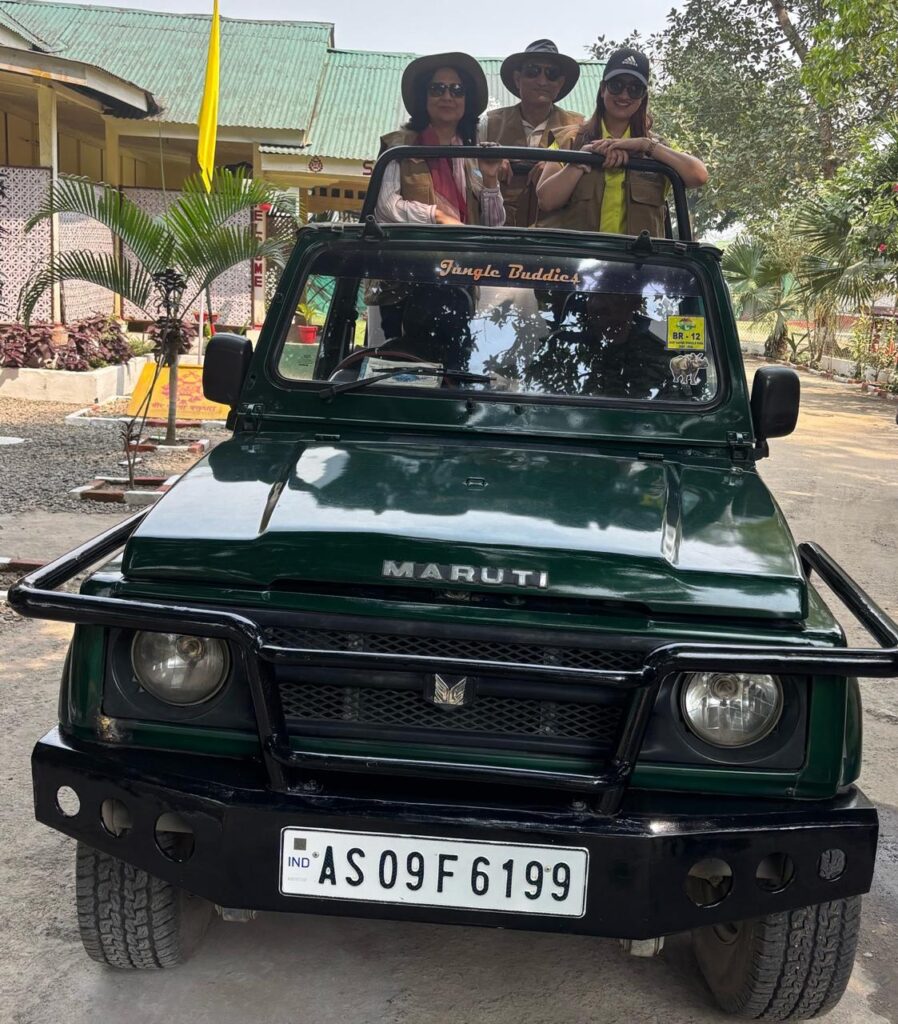
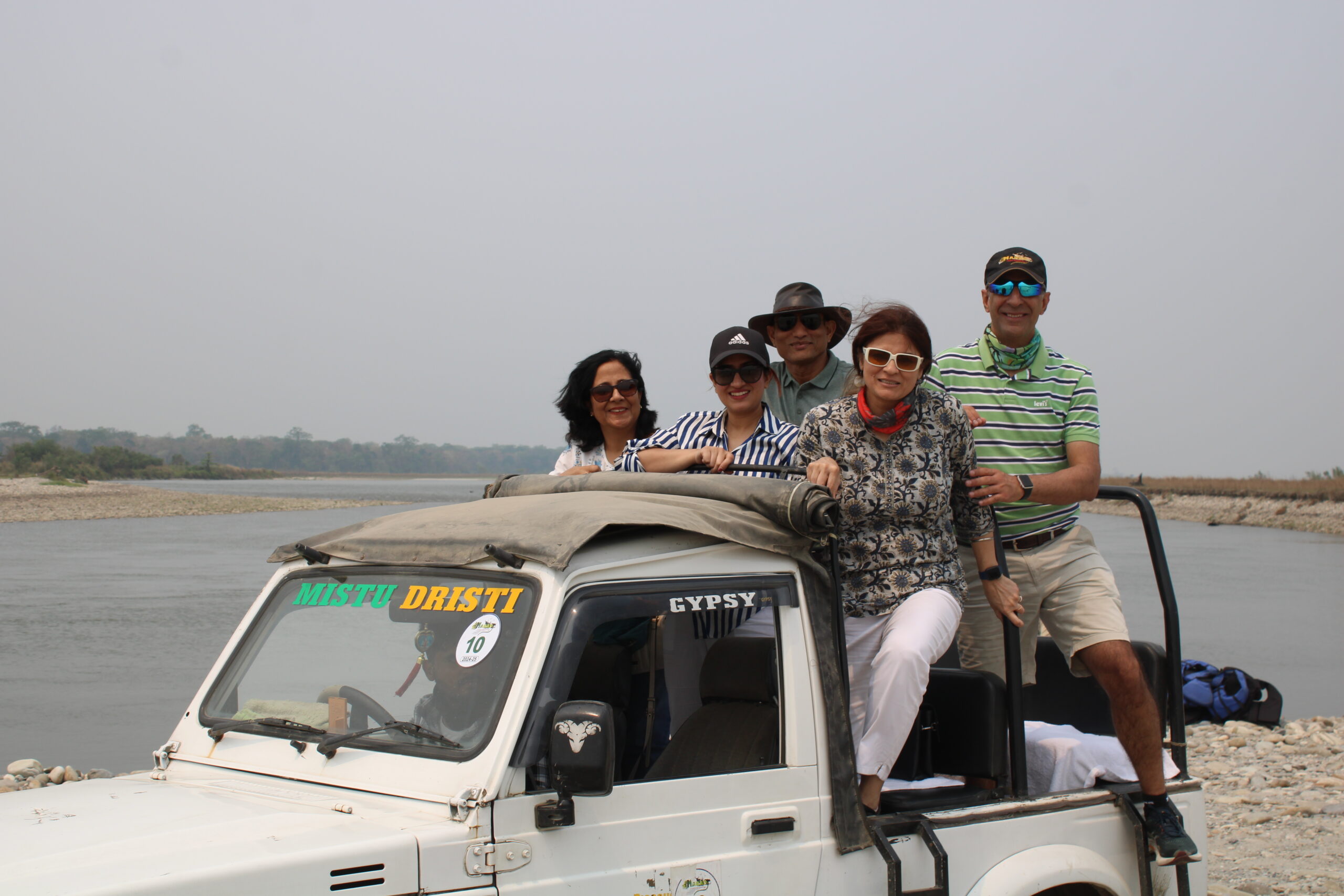
This time we arrived at Kaziranga at 9.30 where a safari jeep with a local guide was waiting for us. The total expense for the safari was around Ra 3100/ which included the entry tickets for three people. I was happy to see that the entry to the national park was well regulated and we faced no problem.
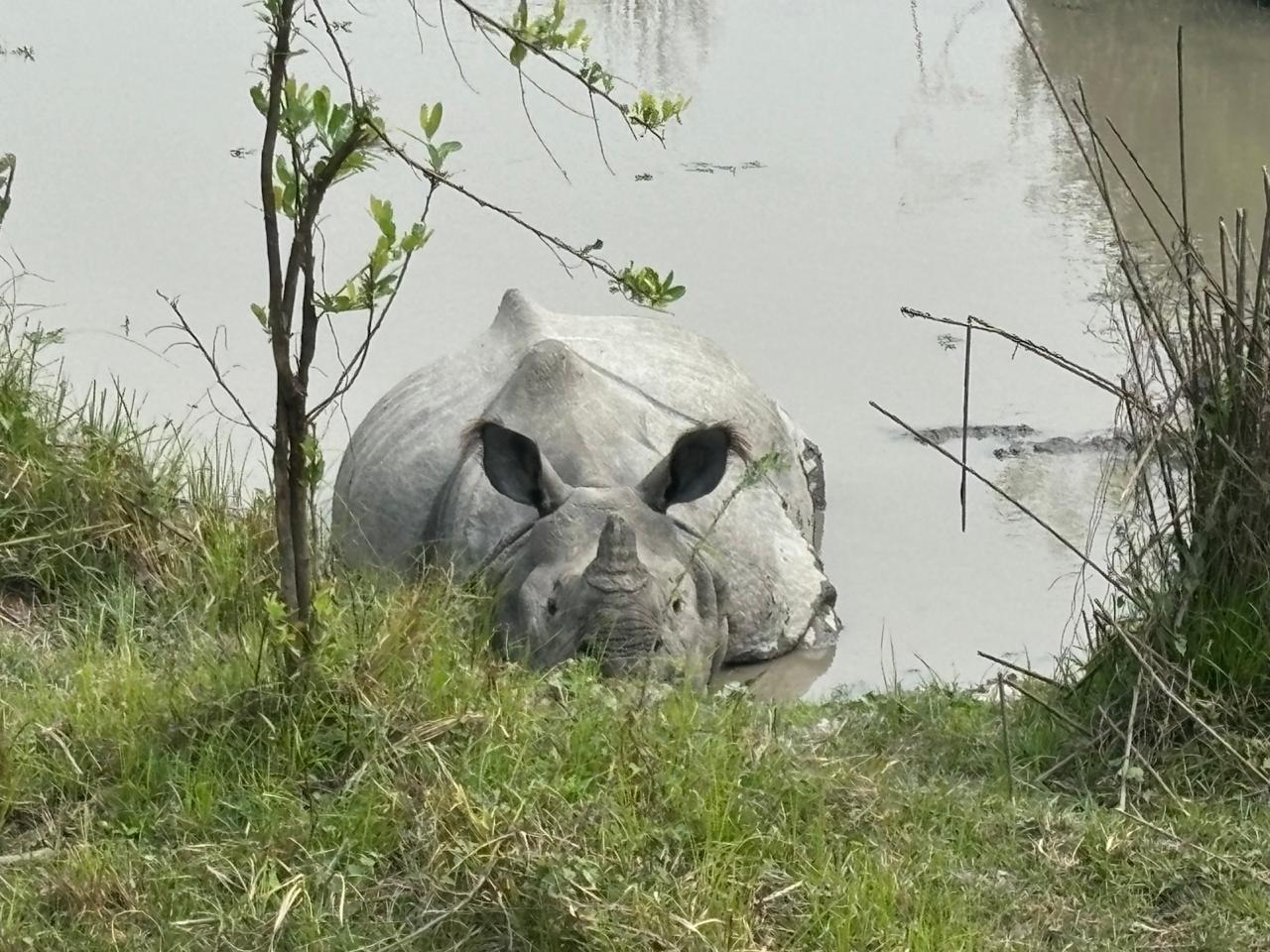
We learned that thanks to the sustained and effective anti-poaching measures implemented by the authorities, incidents of poaching have significantly declined in recent years. As a result, Kaziranga’s one-horned rhino population has grown to an estimated 3,000. This encouraging conservation success was evident during our visit, with numerous rhino sightings throughout our safari. A particularly heartwarming moment was witnessing a mother and her calf amble past us — a powerful reminder of nature’s resilience when given a chance to thrive.
We also saw a huge array of endangered birds like the Indian roller, Adjutant stork, openbill stork, fish eagle, darter, black-necked stork and many more which we could not recognise. While the numbers here were much lesser than other sancturies like Bharatpur but the variety was much more.
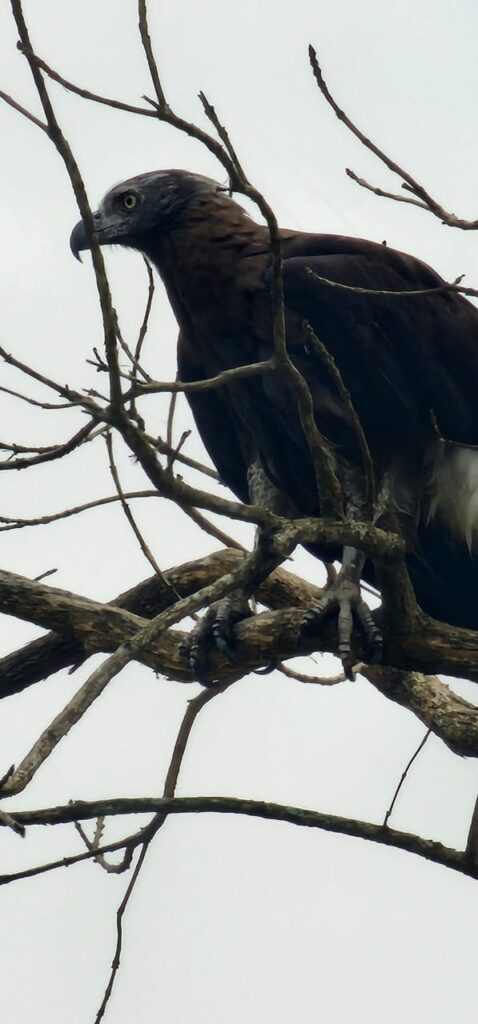
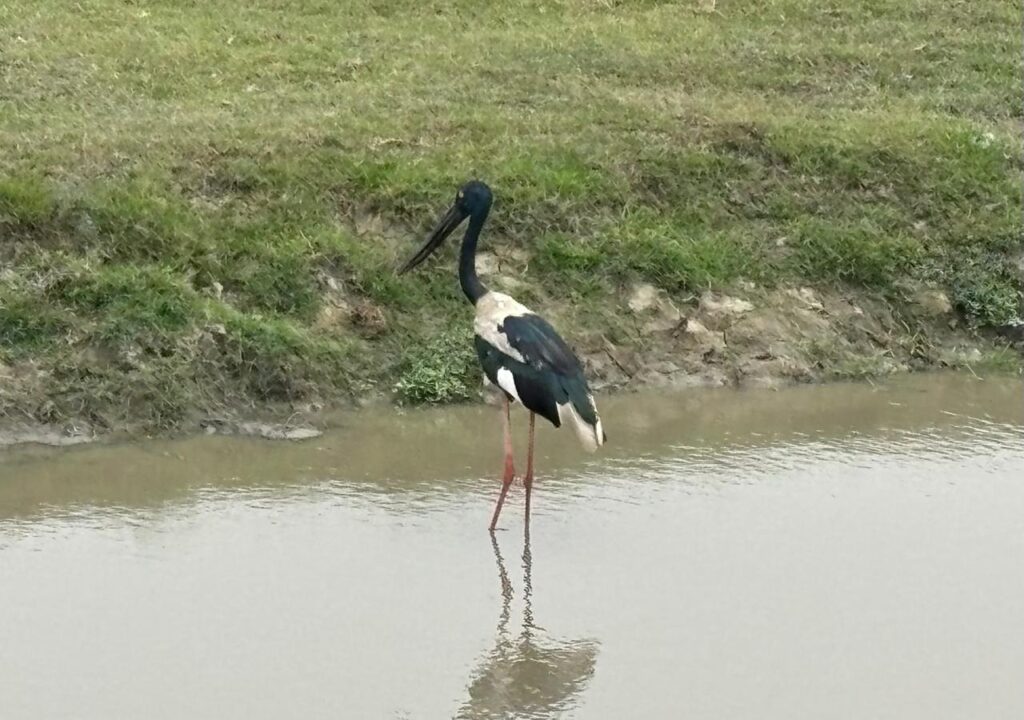
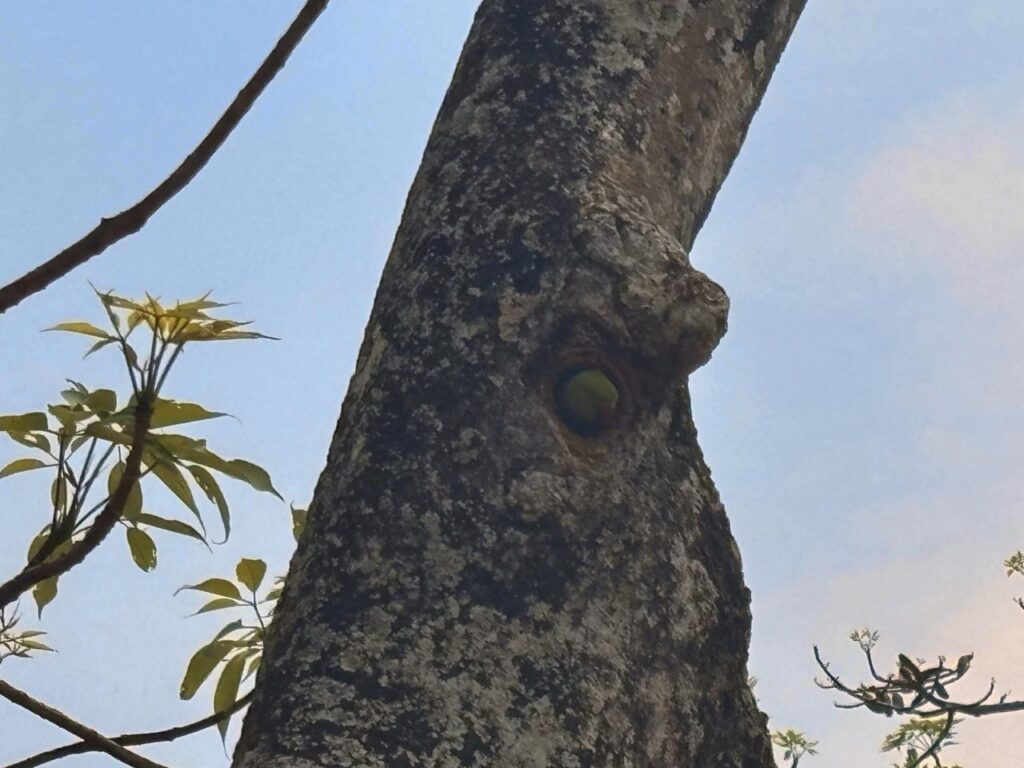
In addition to the rhino we were also lucky to spot a few elephants, many herds of wild asian water buffalo and swam deer. Kaziranga also boasts of about 100 tigers, however we were not luck to come across any of these big cats.
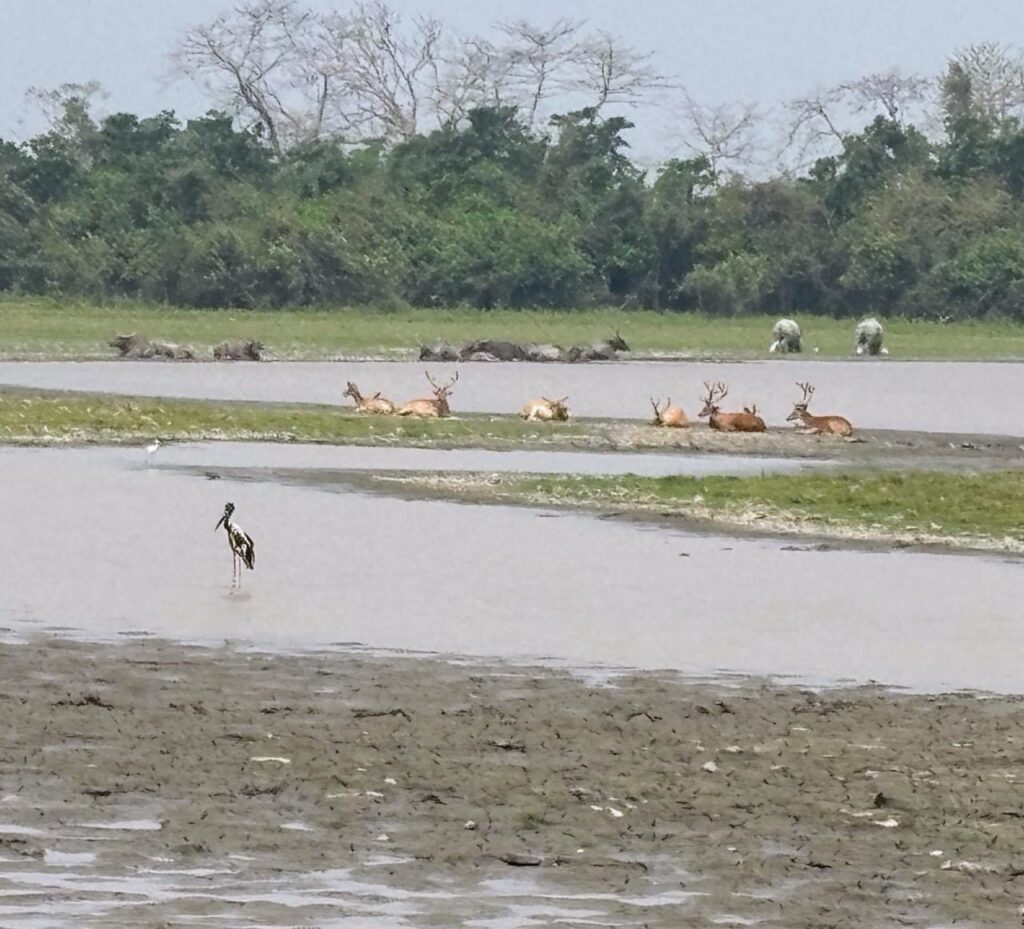
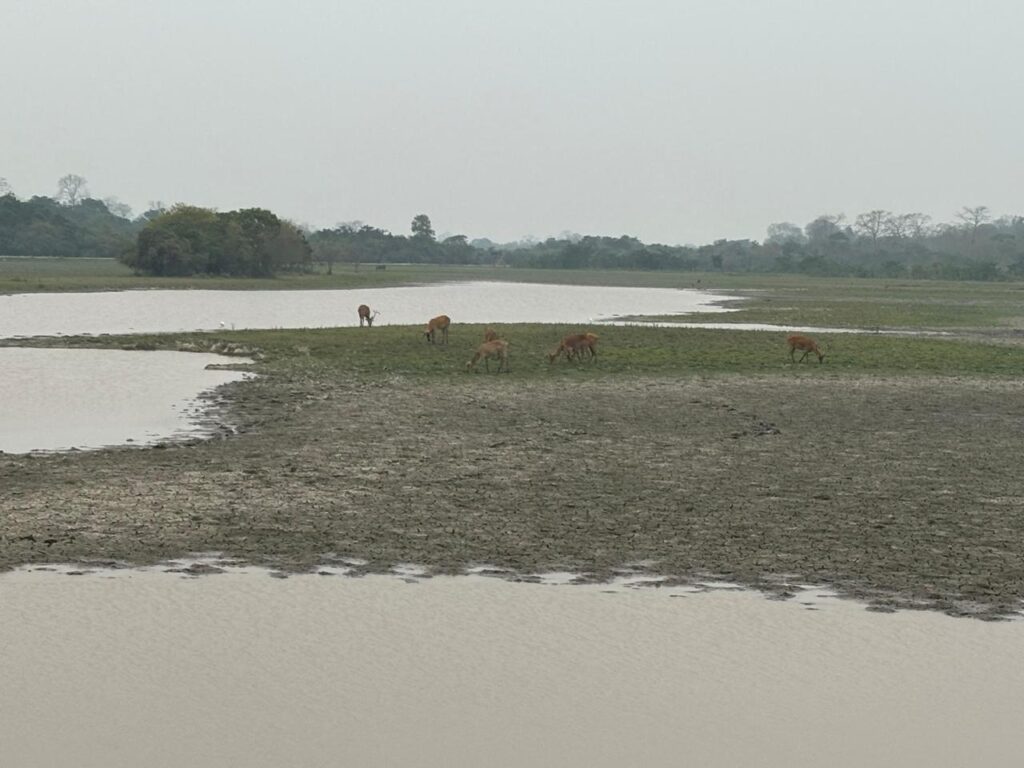
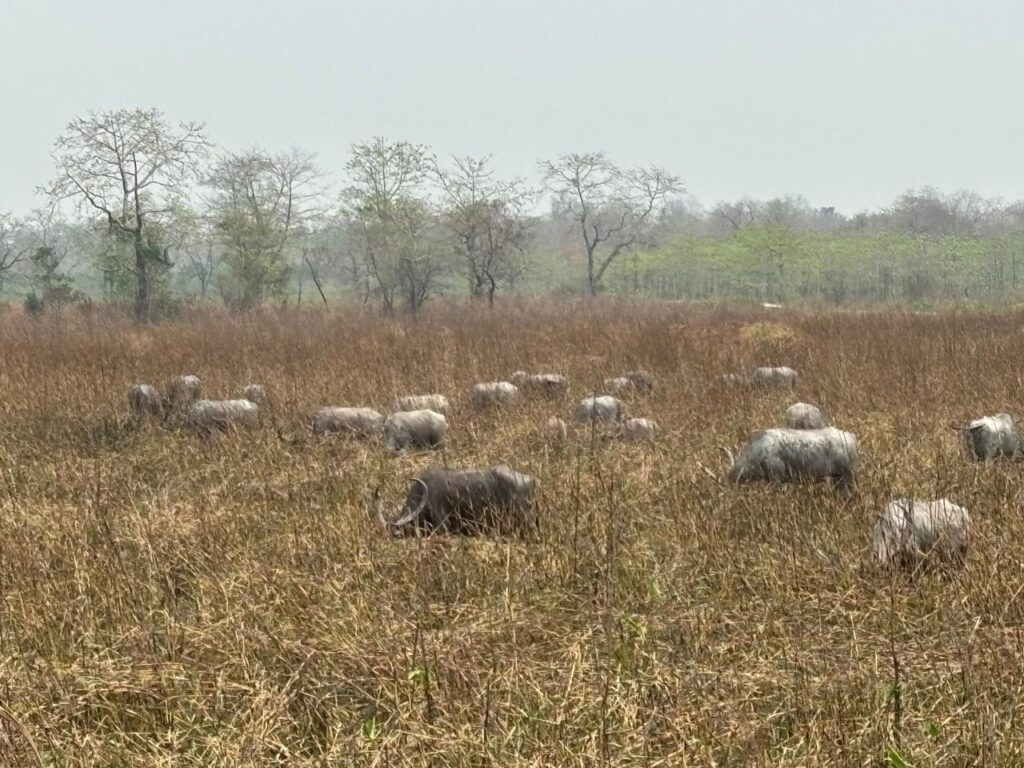
For us, Kaziranga truly lived up to its reputation — a sanctuary where endangered species, especially the majestic one-horned rhino, thrive in peace with minimal disturbance from human activity and poaching threats.
To those who haven’t yet visited Kaziranga, I urge you to make the journey. Witnessing these incredible creatures in their natural habitat is not just a wildlife experience — it’s a memory that will stay with you for a lifetime.

2 comments
Thanks for sharing a beautifully narrated entourage of North-East , specially the Kaziranga sanctuary. Extremely satisfying to know that pouching has been controlled to a great extent. I have also spent 8-9 years of my service in NE ,particularly lower Assam, Tripura and Manipur. Beautiful landscape inhabited by fantastic people. Love to visit time and again.
Long pending visit to Kaziranga and have a first hand experience of these amazing creations of God! Went close by twice but both times wasn’t lucky to get there ! Great peace of article Sir.